
The Deal with Data Centers
We can have our data and eat it, too.

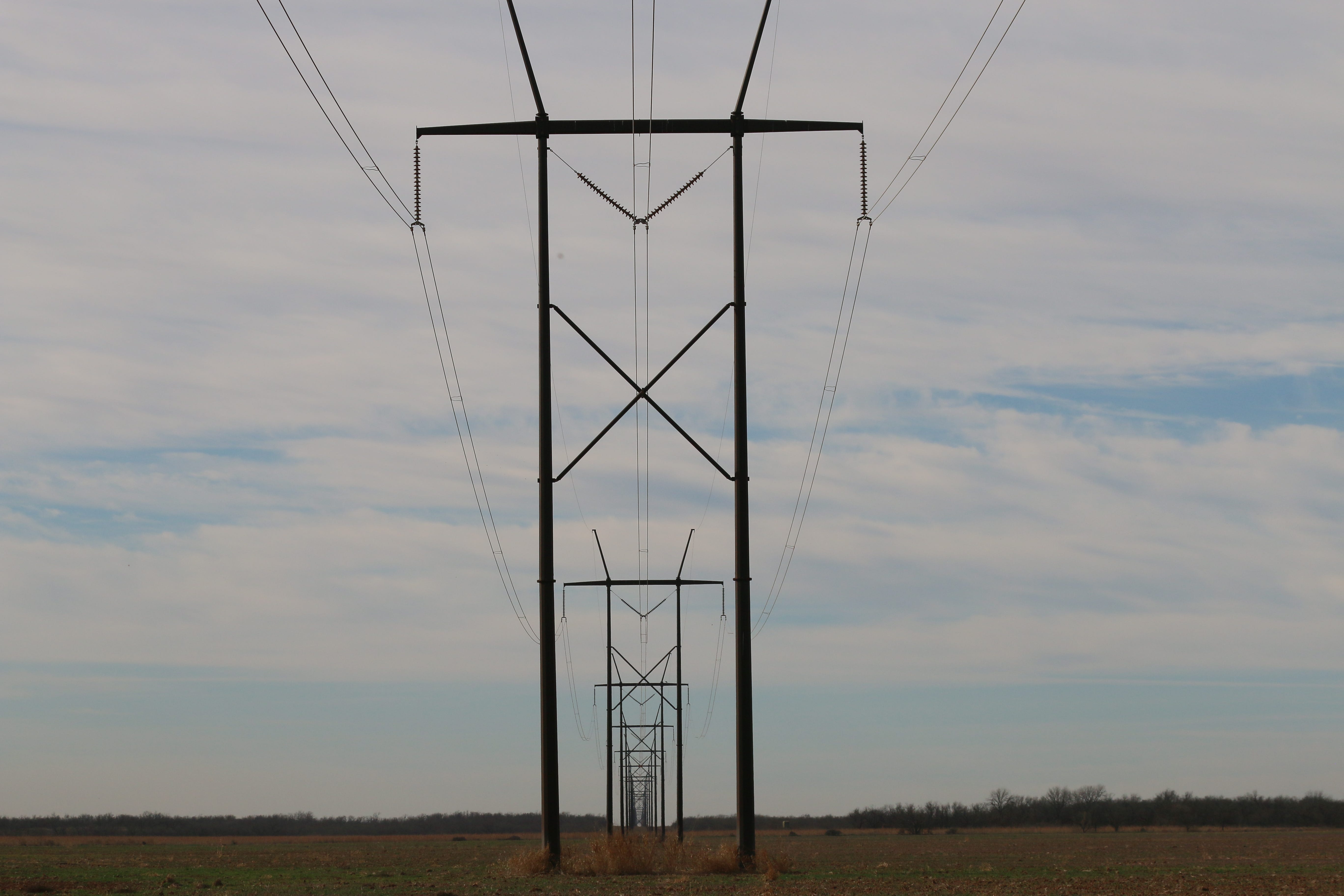
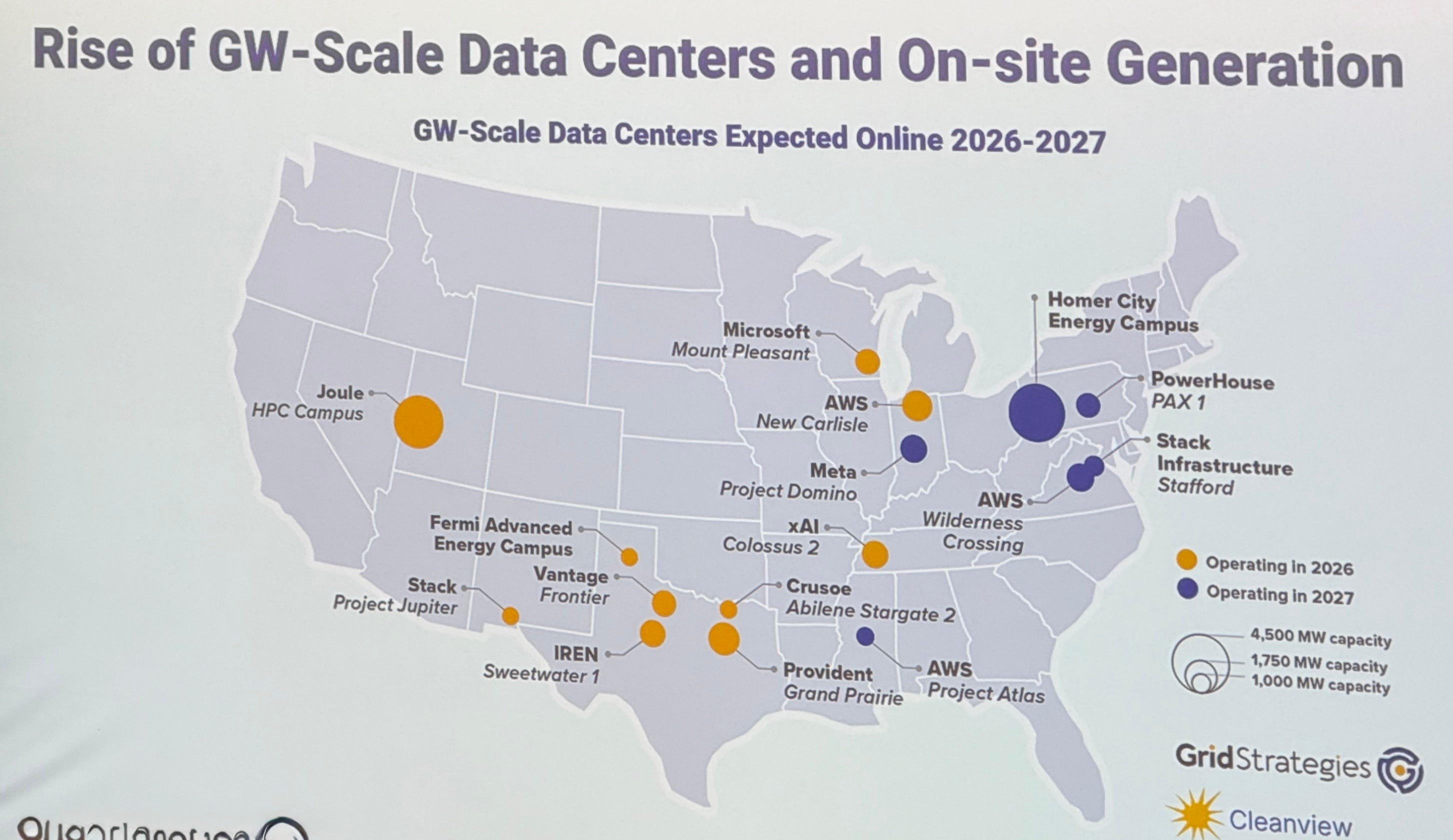
We’ve toured the south of the U.S. looking at some of the biggest, and most controversial, data center projects in the world. That’s included xAI’s Colossus, Meta’s Richland Parish project in Louisiana, OpenAI’s projects in Abilene, Texas and Google projects in the Panhandle. Today we’re looking at what it all means for electricity bills.
After researching AI data centers for months and tooling across the American south for an over-the-fence look at some of the biggest, I can say this much: AI better start helping the common man or the tech bros and their backers will pay hell.
They know this. That’s why they lined up behind President Trump last week at the White House for a highly publicized event that Trump billed as an effort to provide them “a bit of PR help,” as in a public relations boost.
The immediate concern is rising energy bills, which are playing into a larger wave of anger over the “affordability” of pretty much everything after a wave of post-Covid inflation that helped bring Trump into office for a second term.
Now Trump and his Republican backers — after failing to decisively reverse the price increases — are facing the wrath of the price-hike weary population. This pressure on the administration will only grow if the oil price spike caused by Trump’s war lasts beyond a few more weeks and gasoline prices rise going into the summer driving season with midterm elections just around the corner.
Pump prices are already up about 10% after crude jumped from the low $70s per barrel to above $90 per barrel as a result of the conflict in the region.
That may take the spotlight off artificial intelligence, data centers and tech companies for now. Indeed, I plan to get back to writing about the energy fallout from what is shaping up into a historic Middle East conflict whose impacts are reverberating across the globe and will continue for years, perhaps decades to come.
But the spotlight will eventually come back around to data centers. I’m betting well before the fall midterm elections unless the Iran war turns into far wider global conflict. That nightmare scenario could happen. But most likely the conflict will recede to a low boil in the coming weeks, remaining seriously problematic but less than catastrophic for countries and people outside the region.
This will clear energy center stage again for artificial intelligence, which is shaping up to be a transformative social and economic force on the order of organized agriculture or the industrial revolution.
I spent part of last week attending an AI conference at the Dallas Federal Reserve Bank. Technology, energy and financial industry officials speaking at the event groped for words to describe the scale of the construction boom now underway to build the colossal data centers needed to keep the U.S. — and U.S. technology companies — at the forefront of the field.
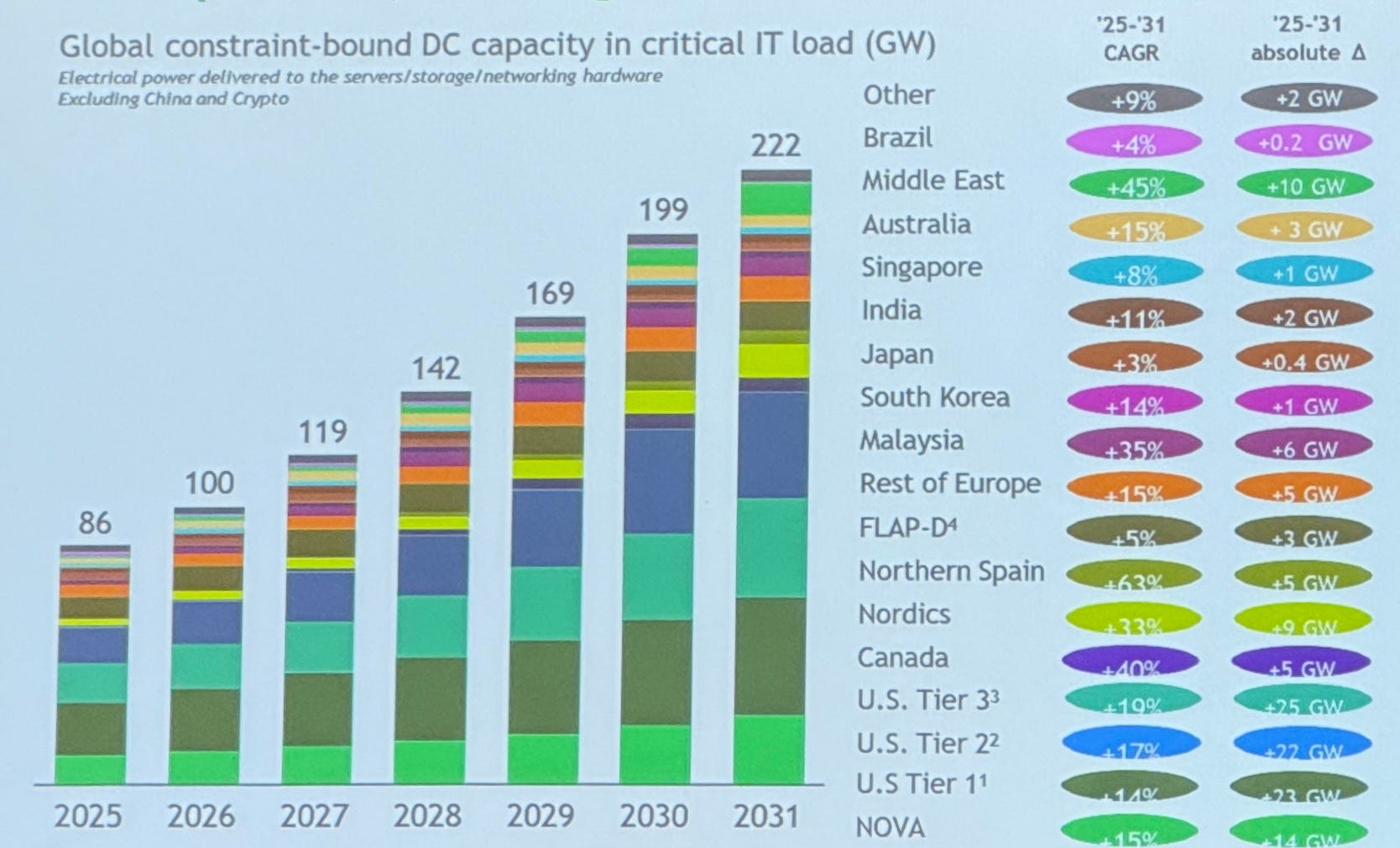
Though there was skepticism over how fast this tsunami would break and how far it would reach, the consensus was that it’s starting now and will reach very far.
I’m as hopeful as any tech-pilled futurist that AI can bring advancements in everything from medicine to climate solutions. I spend an inordinate amount of time chatting with my ChatGPT Japanese language tutor and trying to get Claude to cull through my emails and write responses.
That hasn’t quelled my unease about problems this new technology will certainly cause. My concerns start, as they do for many, with economic dislocation and job losses, continue through the electricity demand spikes caused by these energy hogs, and end, well, who knows where judging from Anthropic’s ongoing showdown with the Pentagon.
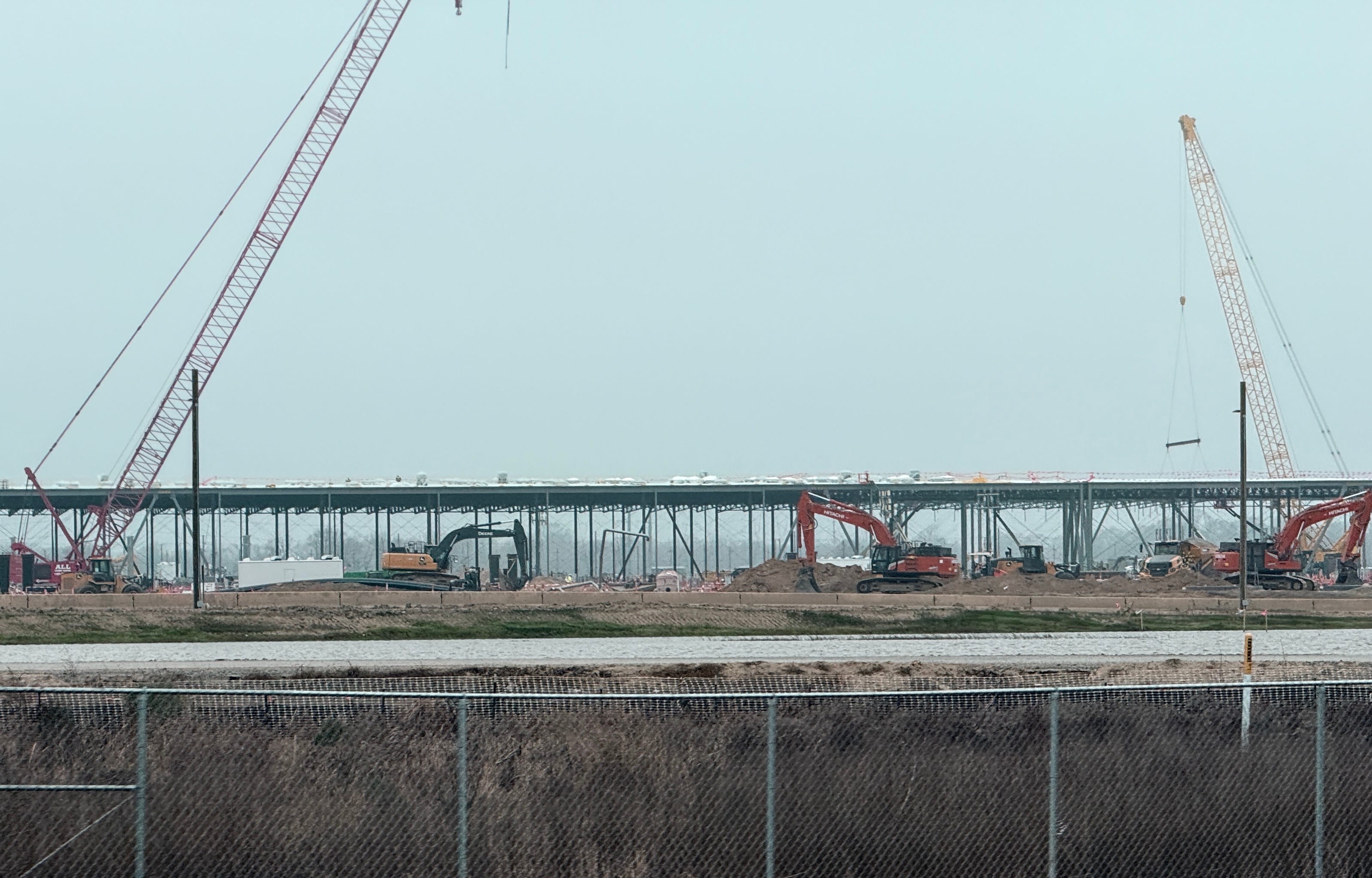
For many people, data centers are more than just really big construction projects they don’t necessarily want in their communities. They are the most obvious real-world manifestation of all these intermingled anxieties. I’m far from the only one who feels a little queasy taking in the scale of one of these Leviathan projects, despite all their space-age splendor, even just in a photo.
The White House event was a first attempt to address growing concern that on top of all these concerns the voracious demand for energy to power these data centers will send electricity prices soaring.
With Trump presiding, the gathered AI companies repeated pledges to pay their “fair share” of the system upgrades needed to produce all this energy.
But if you ask me, I think they’ll need to go further. At least if they want to avoid, or even temper, the backlash building against them. They’ll need to find ways to help others pay less.
And the good news is they can — if they’re really committed.
We’ll see if they are.
It’s critical to understand something that’s counter-intuitive to almost anyone who isn’t an expert on the U.S. electricity system. You’re forgiven if it seems inevitable that massive new demand for electricity will force the price of electricity higher. Where else could fast-rising demand chasing slower-growing supply lead?
But this is not exactly the predicament the U.S. electricity system finds itself in — at least not just yet.
Because of the way the electricity system is constructed and currently works, only about half of its overally capacity to produce power is being used. What if data centers could draw — and pay for — electricity when it’s plentiful without competing for electricity when it’s scarce?
Well, then their payments could go toward lowering costs for everyone else.
Think of an airline flight route constantly flying half-empty planes. If the airline could sell more premium-fare tickets on those flights, some of that additional revenue could go to cutting ticket prices for the other passengers, to providing better meals and service, or both.
That’s often impossible with airline routes, which is why unprofitable ones get cut. It’s even more complicated in the electricity system for an assortment of reasons. But when it comes to data centers it just might be possible. If — and this is a very big if — data centers can be made to work flexibly.
In other words, if they can be made to pay full price for electricity when it’s plentiful and buy little, or none at all, when it’s scarce.
This is a very big ask for technology companies. They generally need their data centers to operate — and thus draw power — 99.999% of the time. That’s what the industry calls the “five nines.”
It means five minutes per year without power. No more. And those five minutes they cover with emergency backup generators. So they’re actually processing data fully 100% of the time — which makes sense when you remember that the data they’re processing is being used by hospitals, driverless cars, police departments, telecommunication companies and other time-critical services.
As we saw in our tour of data centers, most tech companies have, initially at least, all but given up on the public grid for now. They’re setting up their own bespoke power generation on site. To return to our airline analogy, they’re choosing to fly private instead of on one of those half-full commercial flights.
This might work for some data centers, at least temporarily. But most of them would actually prefer to join the grid, which is very likely to prove less expensive and more reliable than building their own on-site power plants. The grid also opens far more avenues to meeting their energy demand while upholding oft-repeated vows to rein in greenhouse gas emissions.
And therein lay the makings of a deal. Accelerated grid access in exchange for a promise: pay full price for power when it’s plentiful, and use their own power when it’s scarce. The upside of data center demand without the downside.
Over time, this would maximize use of the electricity system that’s built and paid for, minimize the stress caused by growing demand for electricity, and grow the funds available for the expensive upgrades and repairs that the aging electricity system desperately needs in order to meet the future needs of everybody.
+4
A large tanker successfully passed through the Strait of Hormuz without incident on March 8, 2026, marking a potential de-escalation in the maritime security crisis, according to U.S. Energy Secretary Chris Wright. This follows intense disruptions and attacks on shipping in the area.
gCaptain – Maritime News
gCaptain – Maritime News
+3
Interesting article. On the one hand, Trump needs the data center billionaires to take the blame for unaffordable energy (and water). Per your observation that data centers are looking to produce their own power, and thus not impact the price of grid power, doesn't save them or the Administration since many other policy changes are driving up the cost of grid power. On the other hand, that deflection of blame does not go far due to his cozy and very public relationship with those same data center companies.