
You may have heard that data centers are the rails of the digital revolution, the infrastructure that changes everything everywhere, what trains were to the industrial revolution.
Or some-such like that.
I have another analogy, offered here because our next energy adventure begins a few short blocks from Graceland:
AI as Elvis.
In his heyday, the King of Rock ‘n’ Roll mesmerized fans. Audiences lingered after performances, begging for more. Concert organizers finally had to take to announcing, “Elvis has left the building.”
At which point all the air came out of the venue, and the fans finally went home.
Artificial intelligence is today’s techno-Elvis, and it’s very much still in the building. Data centers are its stage, vast complexes with grandiose names — Colossus, Hyperion, Frontier, Stargate.
Mesmerized investors hope it never leaves. Indeed, they’re helping supersize the stage in hopes artificial intelligence can do to the world what the King did to pop music — completely transform it.
See Colossus, the, well, colossal data center Elon Musk’s xAI artificial intelligence company is building in Memphis, a short drive from Presley’s opulent abode turned pilgrimage destination.
Investors keep pushing the company’s value higher in no small part due to the tens of billions of dollars Musk is pouring into the mega-project. Other data center projects we’ll take a look at in the next few weeks — by Meta in Louisiana and OpenAI and Google in Texas — are seeing the same influx of money and effort.
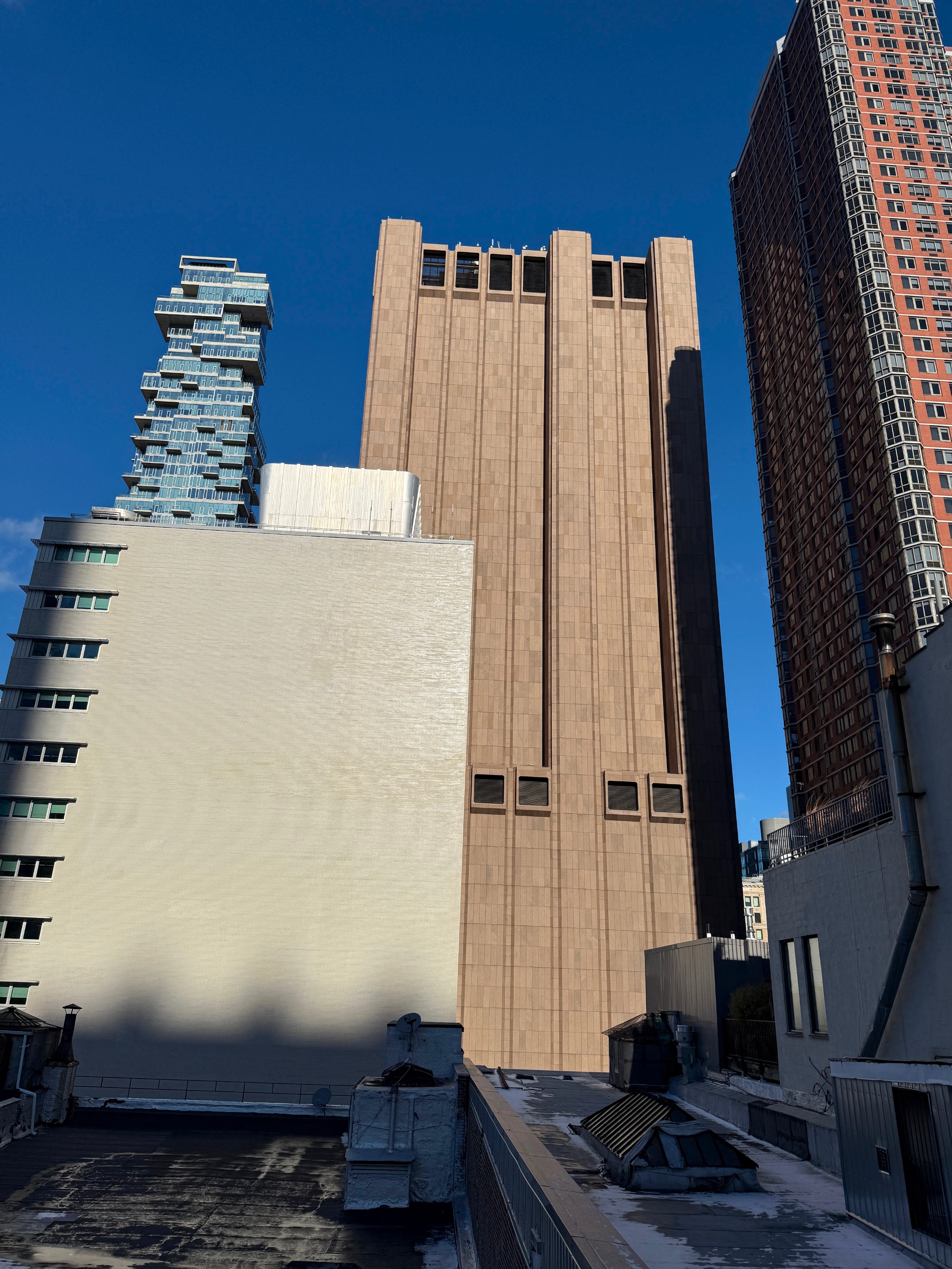
As it happens, I live near a data center. It’s nothing like these emerging leviathans, though it does have an interesting backstory. Here’s what my neighborhood data center looks like from my rooftop in lower Manhattan:
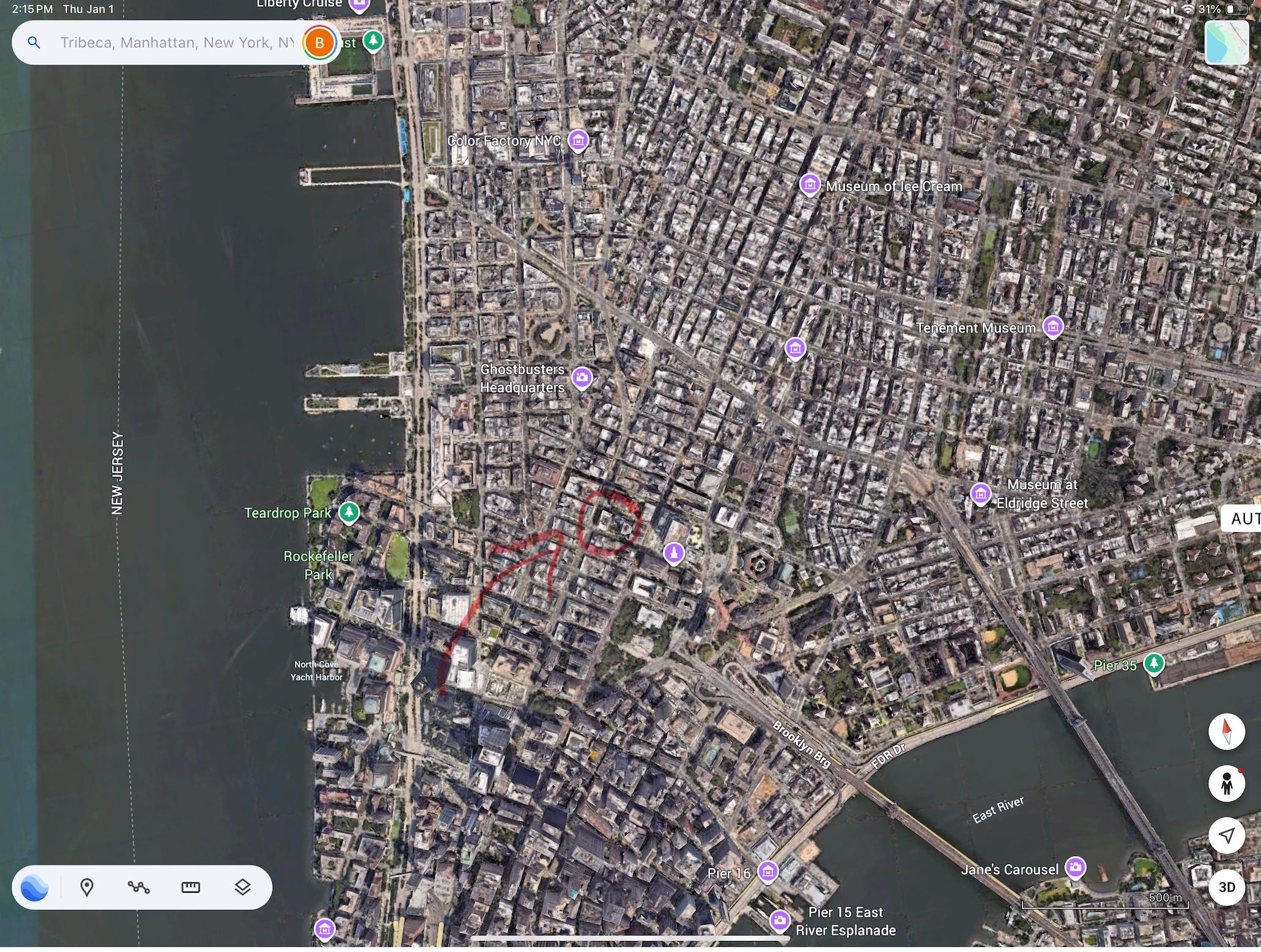
Here’s how much space it takes up, as seen on Google Maps:
Now here’s the size of OpenAI’s biggest project in Texas — part of what the company calls Stargate — drawn over lower Manhattan:
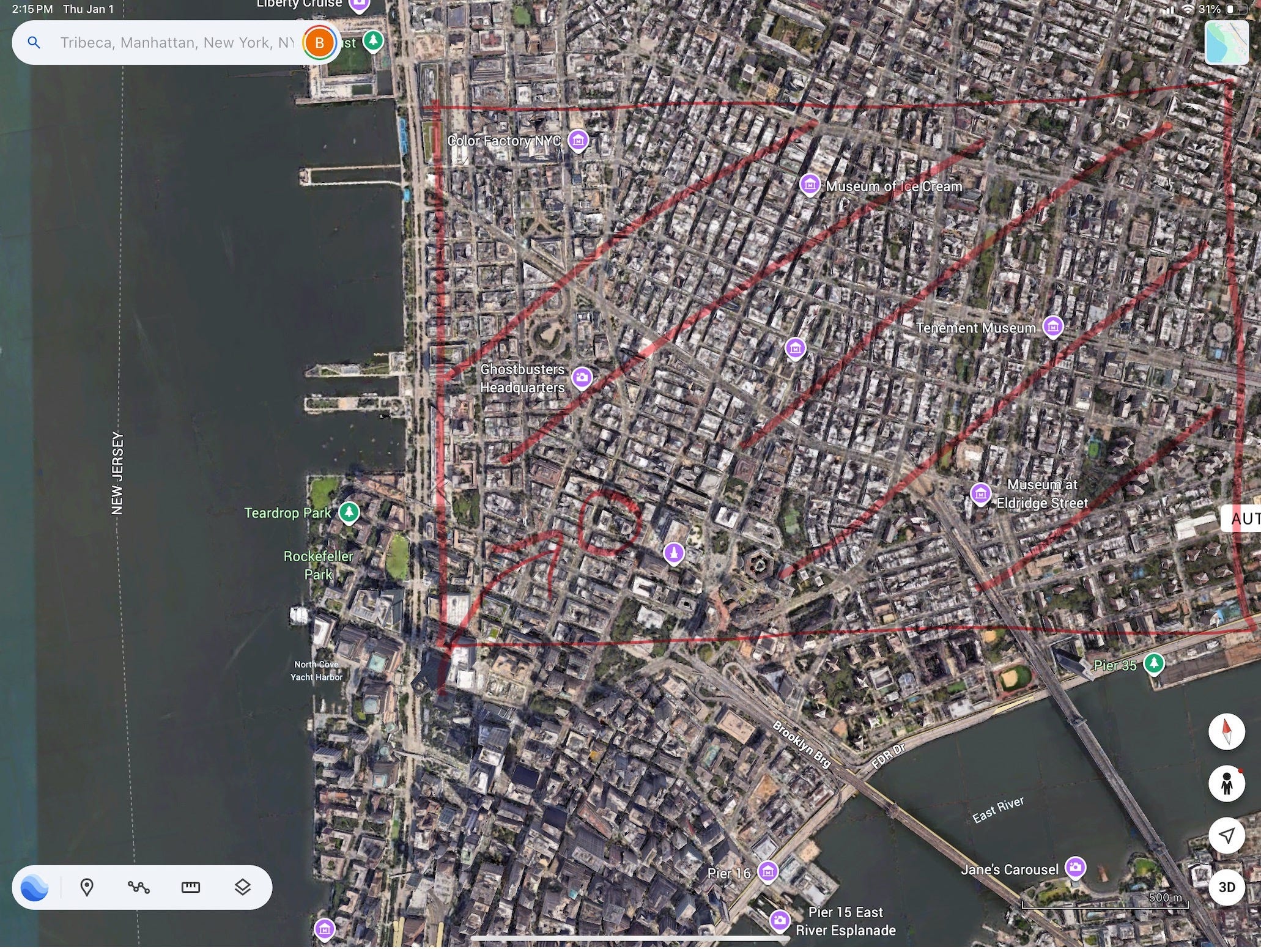
It makes a pipsqueak of my neighborhood data center.
Now here’s what Meta’s biggest project, known as Hyperion, looks like compared to the Texas Stargate site:
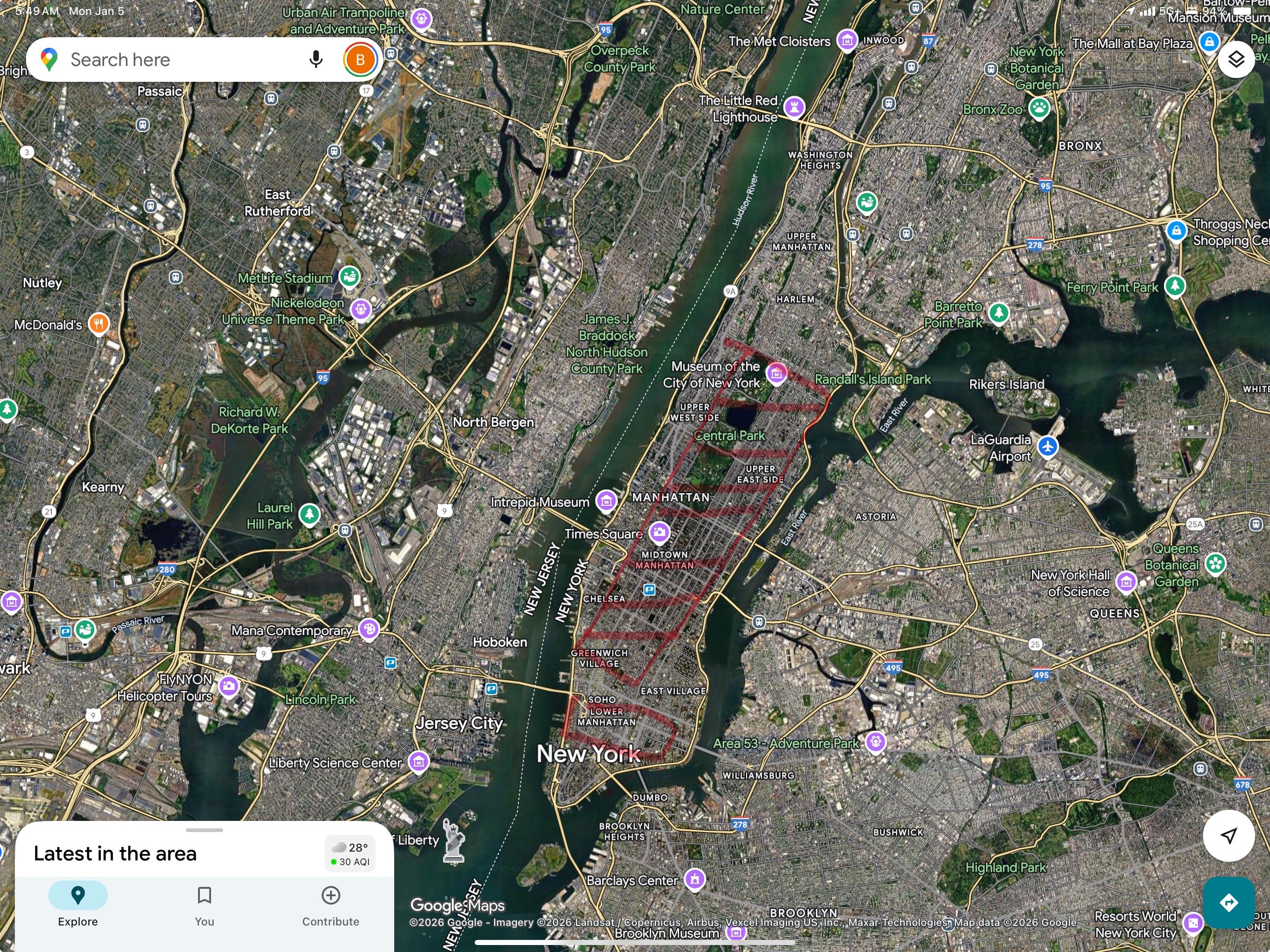
These are data centers the likes of which the world has never seen.
Data processing behemoths like these could eventually reshape the global energy system as thoroughly as the industrial revolution did. They are energy hungry like few things on the planet, each set up to devour a mid-sized city’s worth of electricity, with the industry projecting the need for more of them is essentially endless. The world — especially the U.S. and China, but also Japan, Southeast Asia, India, the Middle East and Latin America, anywhere with the wherewithal to get in the game — has thrown itself into a frenzy constructing and deploying them.
Exactly how this build-out plays out matters immensely. It will impact everything from regular people’s energy bills to the trajectory of the greenhouse gas emissions that cause climate change.
Things could go well, with the AI boom boosting prosperity by creating a cleaner, nimbler energy system without sticking regular folks with the bill while hyper-enriching the techno-elite and their financiers. This could happen.
But things could go badly, thwarting efforts to transition the energy system away from fossil fuels, entrenching the chasm between haves and have-nots, and leaving a legacy of environmental degradation.
Which will it be? The elder musician-statesman Elvis that could have been, or the sad-sack Elvis we got?
Too early to tell. But it’s the right time to check in on these massive projects. Most are well underway, but nowhere near finished.
This month we’ll be adventuring across the southwest of America, a new frontier for gonzo data centers. Data centers have traditionally clustered themselves around large population centers, especially northern Virginia, where more than two-thirds of the Internet resides.
There are plenty of new data centers going up there, as well. But the dawn of AI has brought the impulse for massive scale, and America’s West has been about nothing if not scale, especially Texas, where we’ll end this adventure.
The uncanny scale of this build-out stems partly from the belief of these AI pioneers — Musk, Meta’s Mark Zuckerberg, OpenAI’s Sam Altman, Google CEO Sundar Pichai and many others — that demand for artificial intelligence will expand for decades to come as it works its way into every aspect of human activity. But it’s also about their real animating goal: to be the first to create General Artificial Intelligence, an ill-defined, all-encompassing computer intelligence superior to any human, or even all of us combined.
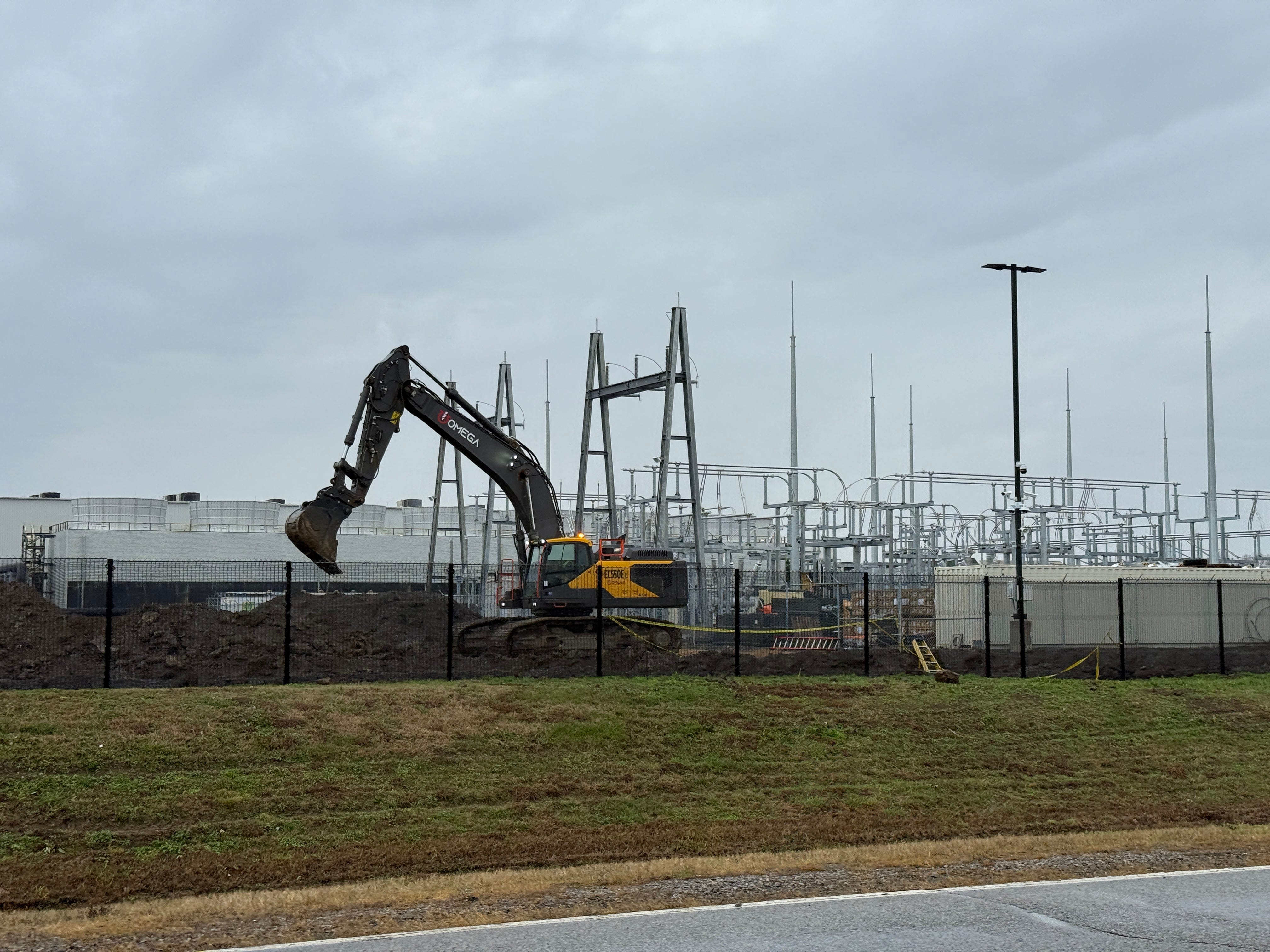
This goal — to summon what some in the industry way-less-than-half-jokingly call, “the machine God” — requires massive, massive compute, hundreds of millions of the most advanced computer chips churning through data at heretofore-unfathomable speeds.
Such massive compute requires massive energy, specifically electricity. How to generate and secure this electricity — as fast as possible — is now an industry obsession.
“I can’t emphasize enough, we need more electricity,” Musk beseeched power industry executives in 2023. “However much it is you think we need, it’s more than that, I assure you. ... And we need it as fast as possible.”
For the next few weeks, we’ll travel from Memphis, Tennessee to Amarillo, Texas, passing by some of the biggest data center projects in the world and looking into some of the biggest issues they raise for energy and climate:
What will power them? There’s a short term answer — mostly natural gas — and a longer-term question mark, potentially involving everything from renewables and geothermal power to nuclear fusion.
Will they revolutionize or entrench the way the energy system works? Let’s hope for the former if the demand forecasts prove out, because the current system isn’t up to the task and simply making it bigger won’t do the trick.
What does this mean for the once-lauded greenhouse gas emissions targets of the tech giants? And what, in turn, does all this mean for global warming?
This year is the 70th anniversary of Elvis’ explosion on the music scene in 1956, when the unknown 22-year-old landed 17 songs on the Billboard Top 100.
The breakout year is enshrined at Graceland, and the photos and recordings of the youthful King are indeed awe-inspiring on some level. An absolute force of nature.
A few minutes drive away, xAI moved to expand the Colossus project in south Memphis. Further south down the Mississippi River, Mark Zuckerberg is tripling the initially announced size of Meta’s project in rural Louisiana. Further west in Texas, Sam Altman has expanded its flagship Texas facility. Sundar Pichai, head of Google parent company Alphabet Inc., recently announced several new mega-data center projects in West Texas.
Elvis’ breakout year included three #1 hits: “Heartbreak Hotel,” “Don’t be Cruel” and “Love me Tender.”
Which will AI bring us, and in what combination?