
The Arab Gulf Vision
I saw it in action. Can it survive the crisis?

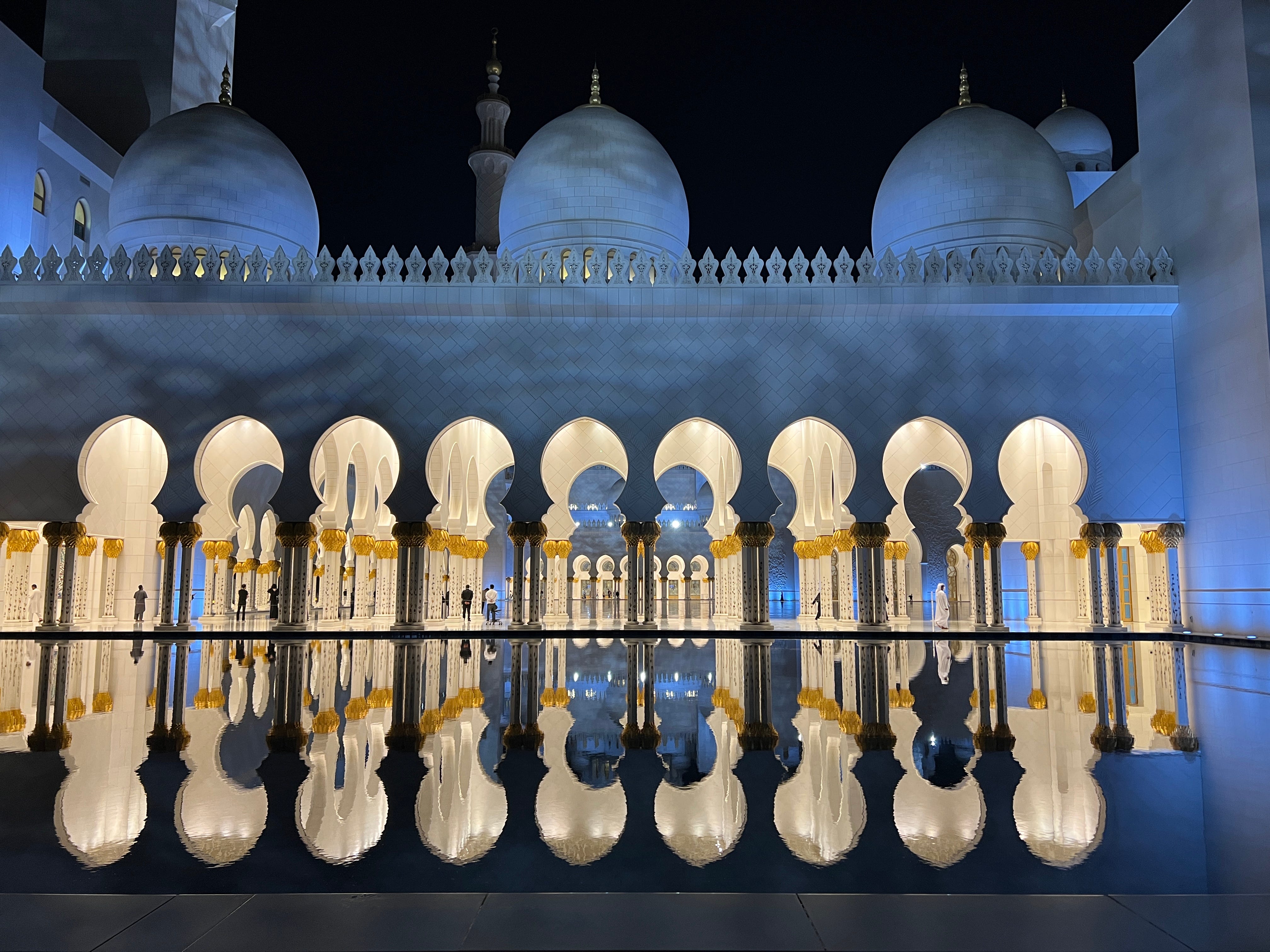
Iran has fired missiles and drones at all manner of targets in the Arab Gulf countries.
They’ve hit oil and gas infrastructure, hotels, residential towers, military bases and defense installations. But one target stood out to me: data centers owned and operated by Amazon in the United Arab Emirates and Bahrain.
These strikes were aimed at more than the UAE’s economy, or even the physical security and well being of its population. They targeted the vision Gulf Arab nations harbor for transforming the Middle East — and their success so far in accomplishing it.
These are the stakes, ultimately, in the current showdown with Iran’s regime:
Can the Arab Gulf states continue to remake themselves into a force for prosperity and advancement in the region? Or will this new whirlpool of strife — created, as always, by a swirl of regional and global forces — suck the Gulf into a downward spiral of the sort that has stunted prosperity and aspirations in the region for so long.
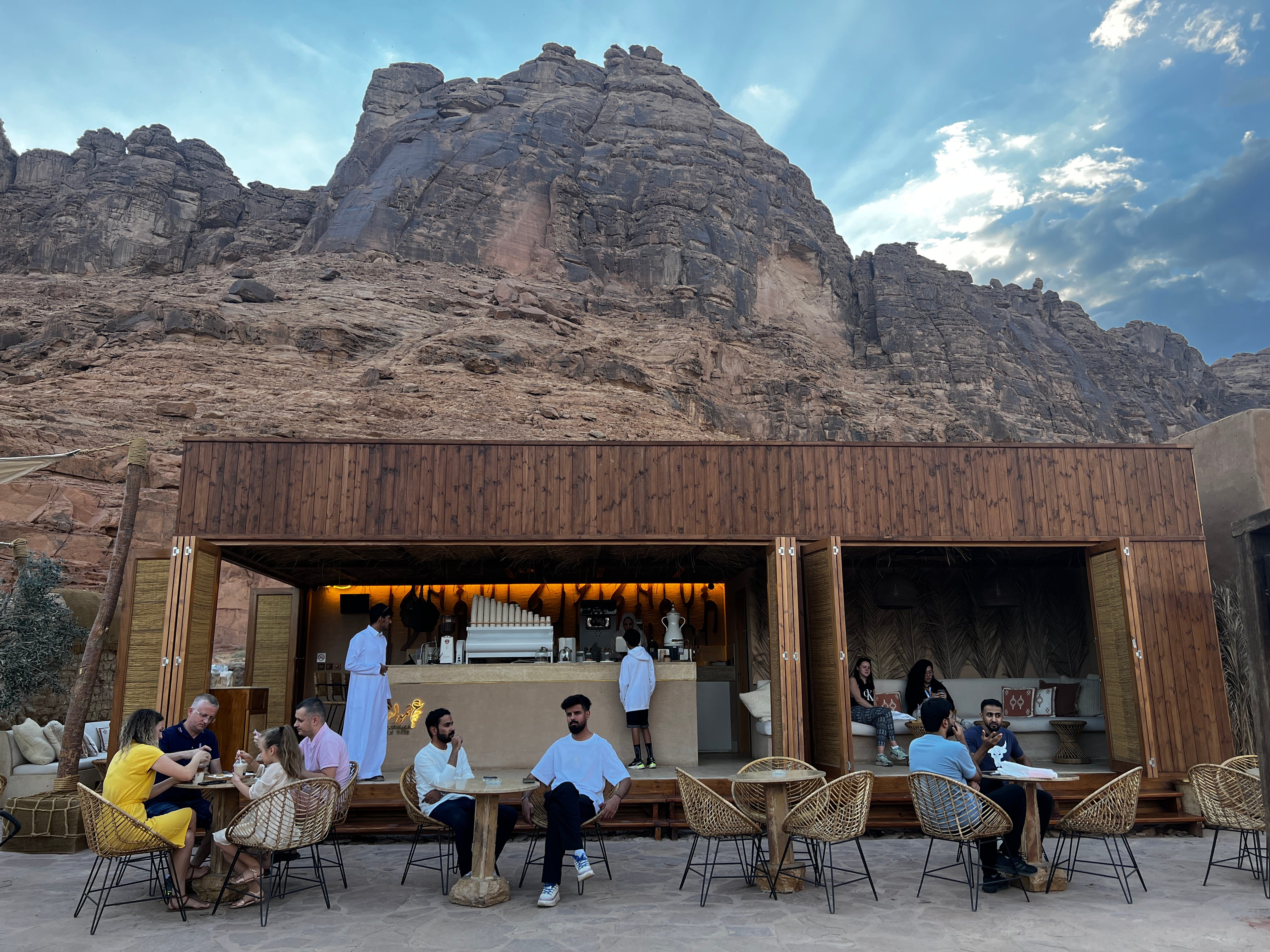
What does the Arab Gulf vision look like?
I got a vivid view of it at the Dubai Flower Exchange two decades ago.
Leveraging the largest flight network in the world, the exchange each day flew in fresh-cut flowers from literally all over the world — tulips from Holland, begonias from Africa, roses from South America — bundled them into a bouquets and shipped them back out to to restaurants, luxury hotels, and wedding venues across the Middle East.
“We’re consolidating all the orders of the Arab world here,” Hussein Hashem, an executive of the region’s largest parcel-delivery service in the Middle East, told me.
He wore a heavy winter jacket on the floor of the chilled facility as we watched the flowers flow in from one side, bouquets depart from the other. Outside, the temperature was 110 degrees Fahrenheit.
Dubai was pushing the limits of conventional wisdom, even practical possibility, in a region so much better known for its internecine wars and ancient conflicts.
The UAE was applying that same logic to a fast-expanding array of businesses: Shipping, at what had recently become the world’s largest port; air travel, with massive expansions of a collection of airports across the region; petrochemicals, leveraging the Gulf’s plentiful oil and gas reserves.
Even media.
I moved to Abu Dhabi — the richest and most powerful of the seven clan-based “emirates” that came together in 1971 to form the country — in 2007 to help launch a newspaper called the National. The project was typical: audacious, wildly overfunded, wholly unrealistic in its stated goal, in this case introducing a Western-style news outlet into a tightly controlled information economy headed by what was essentially a silk-gloved, monarchical autocracy.
The National ultimately faltered as a useful news source, perhaps inevitably crashing on the shoals of Dubai’s financial crisis of 2009 and the Arab Spring uprisings in 2010.
And yet, despite falling short of its stated aims, the National was one of the many ways the rulers — and people — of the UAE learned, grew, matured, uplifted themselves to become sophisticated players in an ever-more-complex global economic, political and military landscape.
Their learnings have, in turn, been taken up and built upon by tiny but tenacious Qatar and more recently the much larger, globally consequential kingdom of Saudi Arabia.
This newfound global sophistication has in recent years been aimed squarely at turning themselves into global players in artificial intelligence, biotechnology, renewable energy, and advanced manufacturing.
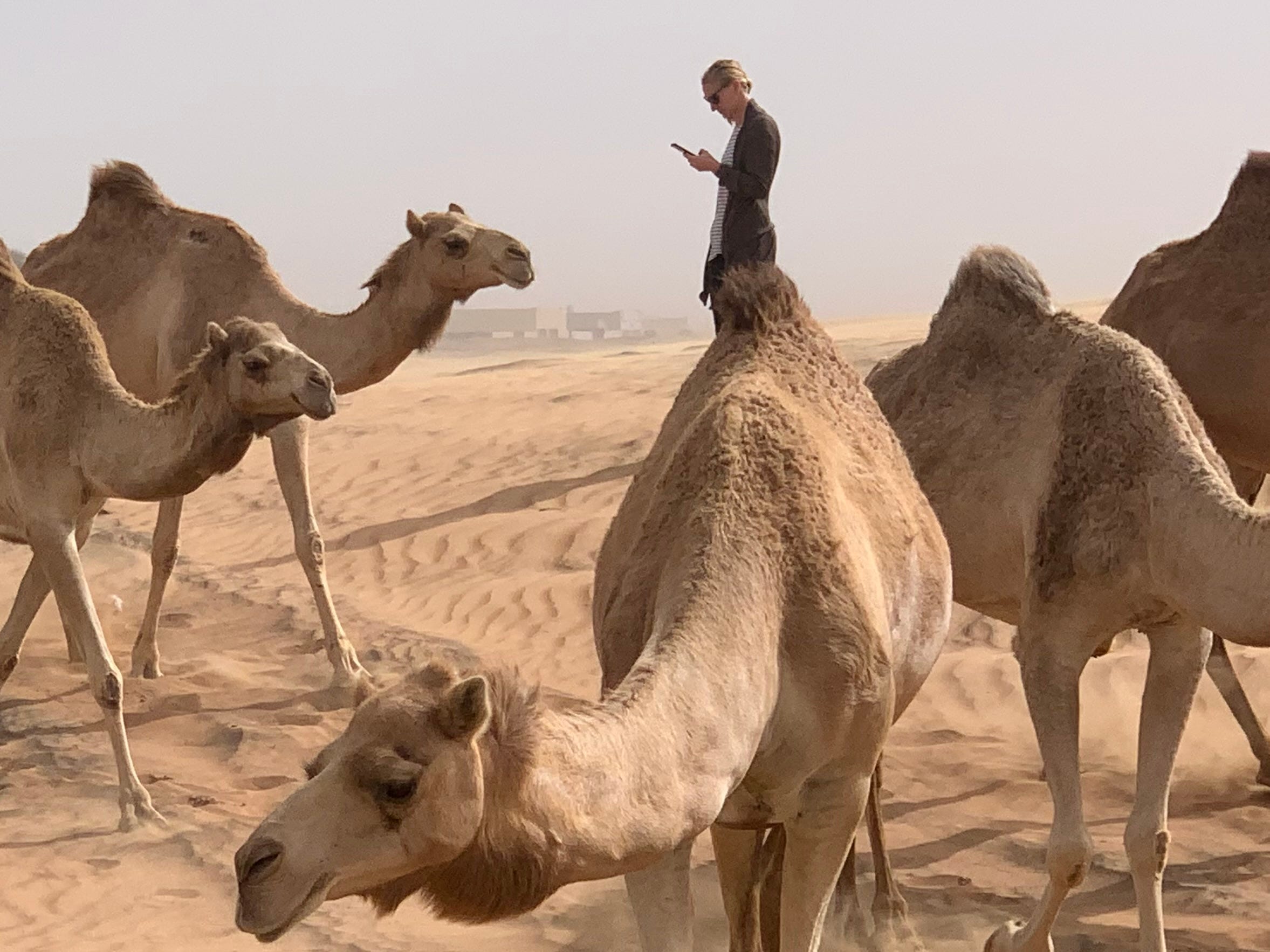
This requires executing a tricky strategy of leveraging vast revenues from oil and gas sales today to drive investments in these new industries of tomorrow.
And when I say “drive,” I do not mean they can do it on their own. Vast as it is, their wealth will produce transformation only if exponentially more investment can be attracted from elsewhere.
They need the rest of the world to buy in.
And for that, they need long-term stability, a steady-state calm in which investments can manifest, mature, and multiply. Until the current crisis, these countries were making progress convincing major global investors this goal was within reach.
Here data centers were exhibit A. The Amazon facilities were among the first of many Arab Gulf states have been planning, from the UAE’s gargantuan Stargate deal with OpenAI and Softbank to a plethora of centers in for Saudi Arabia.
It’s not just the sudden spasms of violent bombings and drone strikes that has disturbed this calm. Those have been highly destructive, to be sure, damaging natural gas production facilities in Qatar and the UAE, setting ablaze tourist hotels in Dubai and residential towers in Bahrain, threatening chaos in Saudi Arabia’s capital of Riyadh.
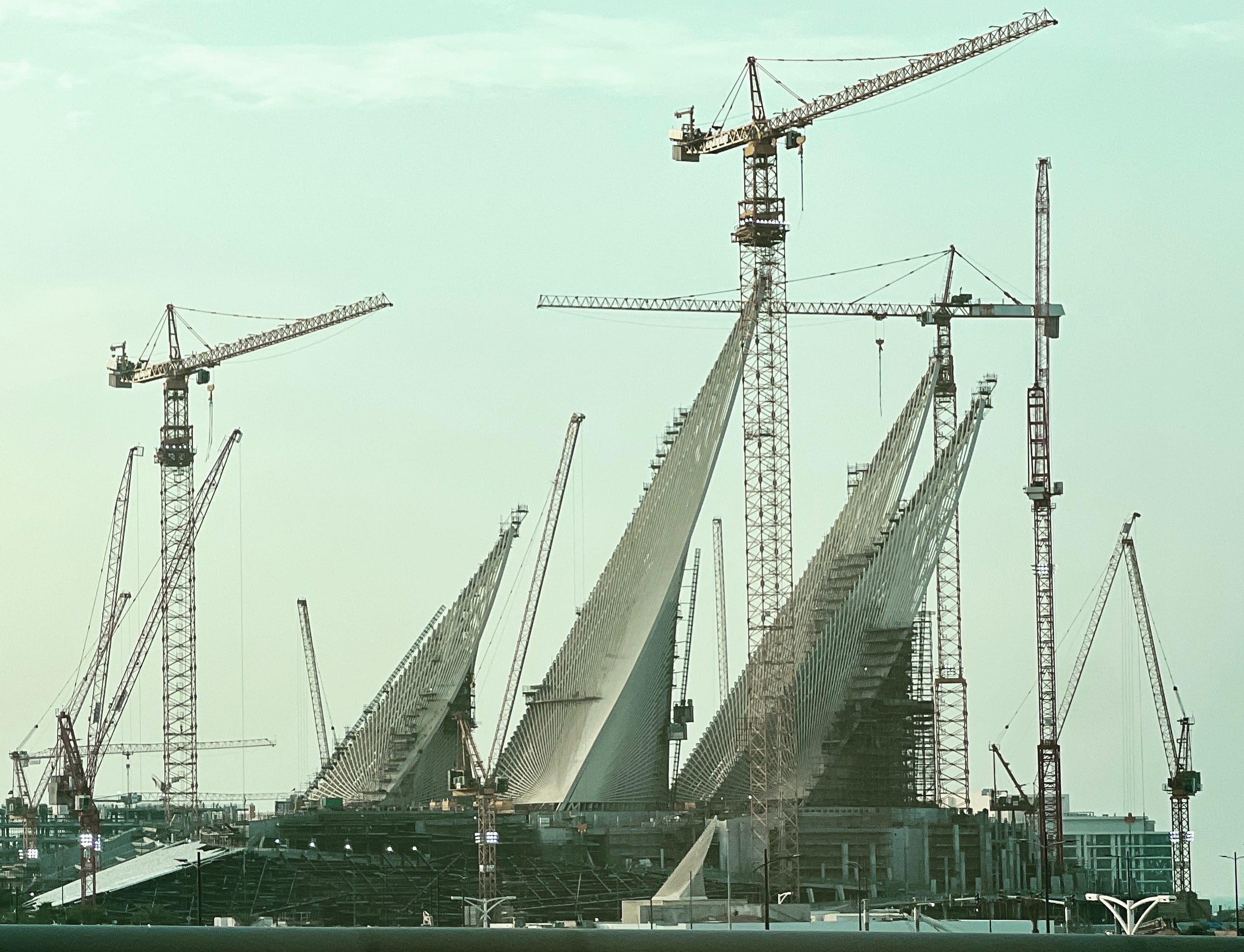
With the current U.S.- Israel and Iran clash, the Arab Gulf suddenly faces its biggest regional challenge since 1971. That’s when the British withdrew from the Gulf after overseeing — or, if you prefer, dictating or meddling in — in the affairs of the Gulf to one degree or another for more than two centuries.
What the British called the Trucial States fundamentally reorganized. Seven came together under the leadership of Abu Dhabi to become the United Arab Emirates. Bahrain became a full-on protectorate of Saudi Arabia. Qatar and Oman remained independent. America stepped in back then, as well, offering protection and a guarantee their oil would be able to reach international markets. Since the 1979 Iranian revolution, that’s meant thwarting threats from the Islamic Republic and keeping the Strait of Hormuz open to all international shipping.
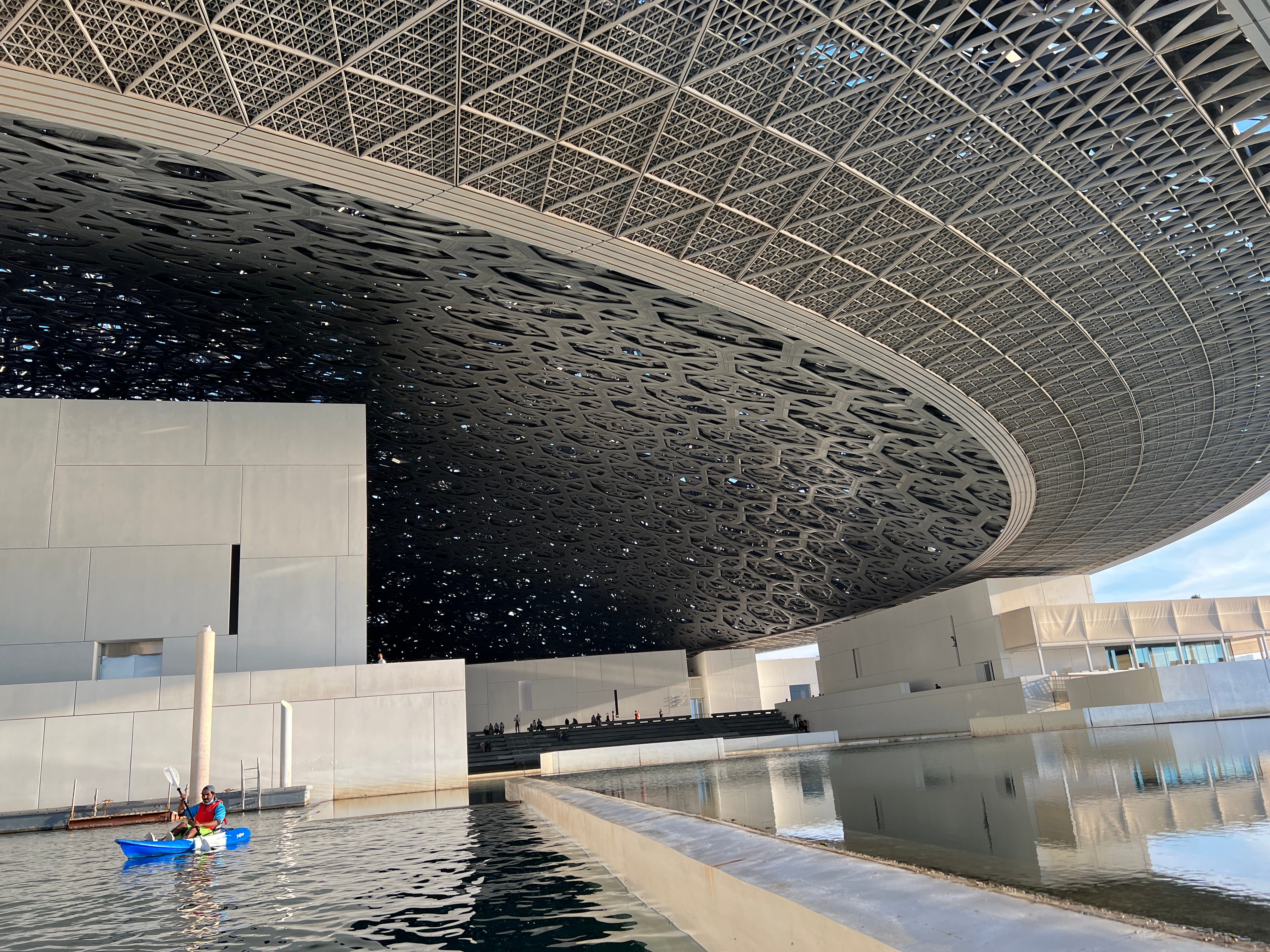
The current crisis is raising profound questions about the solidity of this arrangement going forward.
There are essentially three ways the crisis could end:
The Iranian regime capitulates.
The regime collapses.
The regime rules on, crippled but menacing.
In the first scenario — unlikely though it may be at this point — the Arab Gulf states would have to reckon with an America suddenly in cahoots with their historic nemesis, managing the country’s oil production and manipulating oil and gas flows.
The second scenario is potentially worse. It would likely result in a fractious Iran with heavily armed revolutionary guard factions harassing shipping channels just as they’ve trained Houthi militants in Yemen to do in the Red Sea.
The third scenario is worse still — an angry, vulnerable regime in possession of highly enriched uranium, the U.S. unable or unwilling to deliver either protection or guarantee the ability to sell oil and gas on international markets.
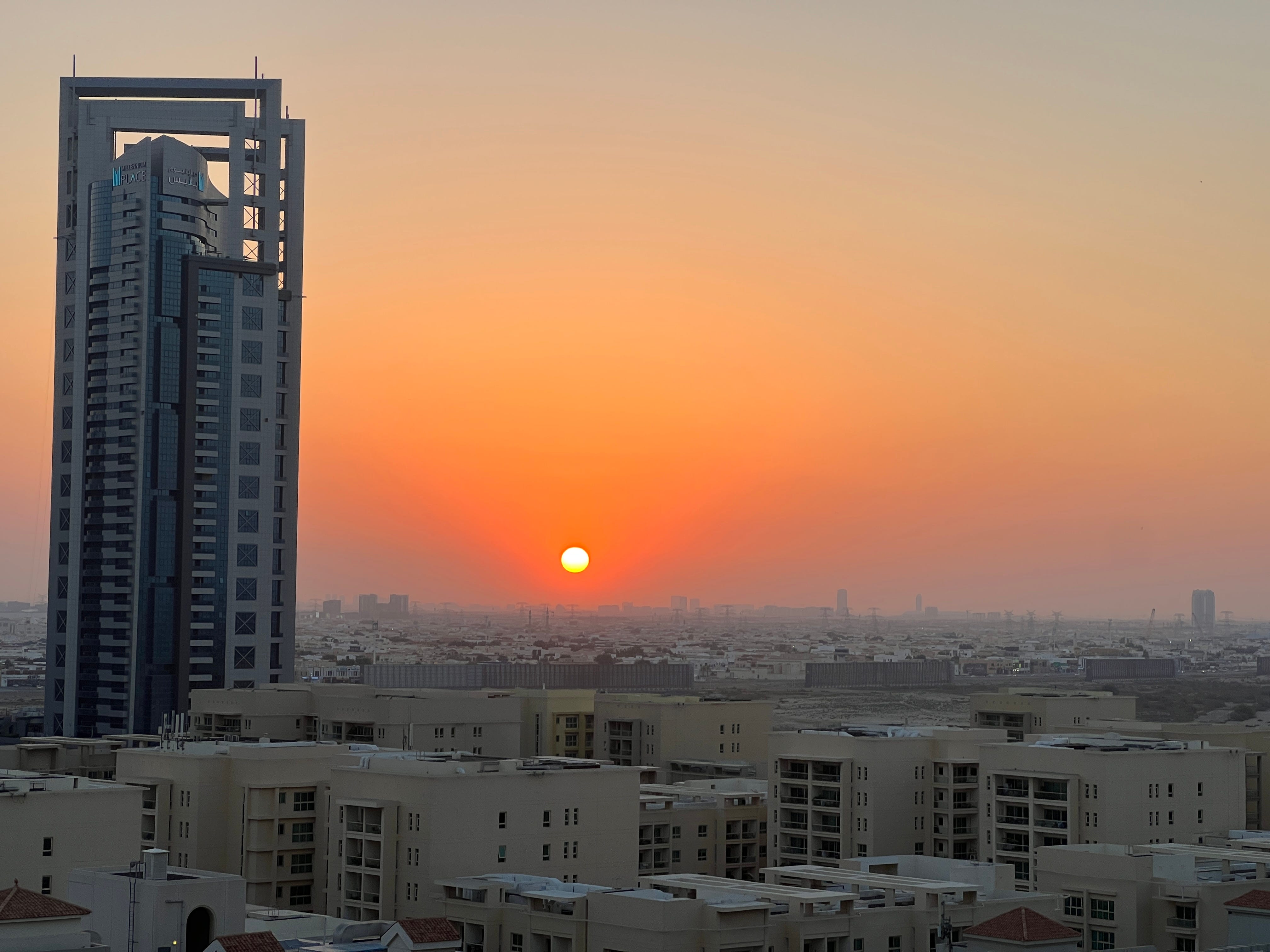
For now, Arab Gulf states are putting on a brave face.
“All I can say is we were not intimidated,” Saudi Foreign Minisiter Faisal bin Farhan told reporters after the kingdom intercepted eight ballistic missiles fired at Riyadh.
Speaking to an international group of journalists, one of the UAE’s top diplomats underscored how his country’s leaders feel after their concerns about the current onslaught were dismissed by U.S. and Israeli leaders.
“Considering us just as a pawn on a chess board is something we don’t accept,” said Anwar Gargash, minister of state for foreign affairs, repeating the point for emphasis.
And yet, that is precisely where they find themselves.
Qatar’s LNG production center at Ras Laffan — a facility that produces virtually all the nation’s wealth — was seriously damaged by an Iranian ballistic missile fired in retaliation for an Israeli strike on Iran’s main natural gas field.
On the same day, the U.S. treasury secretary announced that the U.S. was considering, of all things, temporarily lifting sanctions on some Iranian oil. This was an attempt to make crude oil Iran is allowing through the Strait of Hormuz for China and India available to desperate Asian and European countries. Iran so far has succeeded in blocking their shipments from Saudi Arabia and the UAE.
It’s hard to imagine a more stark picture of American failure on either of the two fronts the Arab Gulf states most need it for. They are exposed and unable to access markets.
The Iranian regime may still capitulate in the end, and the Trump administration may still coax the rest of the world into helping guarantee safe passage through the strait.
But with each passing day the odds the Arab Gulf states face another 1971 moment — the end of the era of fail-safe American protection of the Gulf — go up.
Their vision for the Middle East is blurring.
Love the story and the pictures are amazing. Thank you!