
Slings and Arrows
AI workloads and the world’s largest utility.

This post is about horse power and cutting-edge technology, literally and figuratively. It’s about nomadic hordes and public utilities. Stick with me.
The Persian Gulf conflict is off the boil, though far from resolved. Tanker shipments through the Strait of Hormuz have picked up, if fitfully and not yet to pre-war levels. The wider impacts rumble on, rattling the global energy system amid worries about further disruptions, a state of affairs that will persist for a long time to come.
It’s as good a time as any to return back to the other huge force reshaping the global energy system: artificial intelligence.
Air conditioning and electric vehicles are driving energy use higher, especially in the developing world where rising incomes increasingly put such purchases in reach. But AI, with its voracious appetite for energy, is fast becoming the defining technology of our time. It’s now seen as the critical geopolitical, military and economic tool, essential for great powers in their competition for global dominance.
How to power it — now and in the future — has become the overriding question for the U.S. and China, today’s superpowers.
To understand why, go back several millenia.
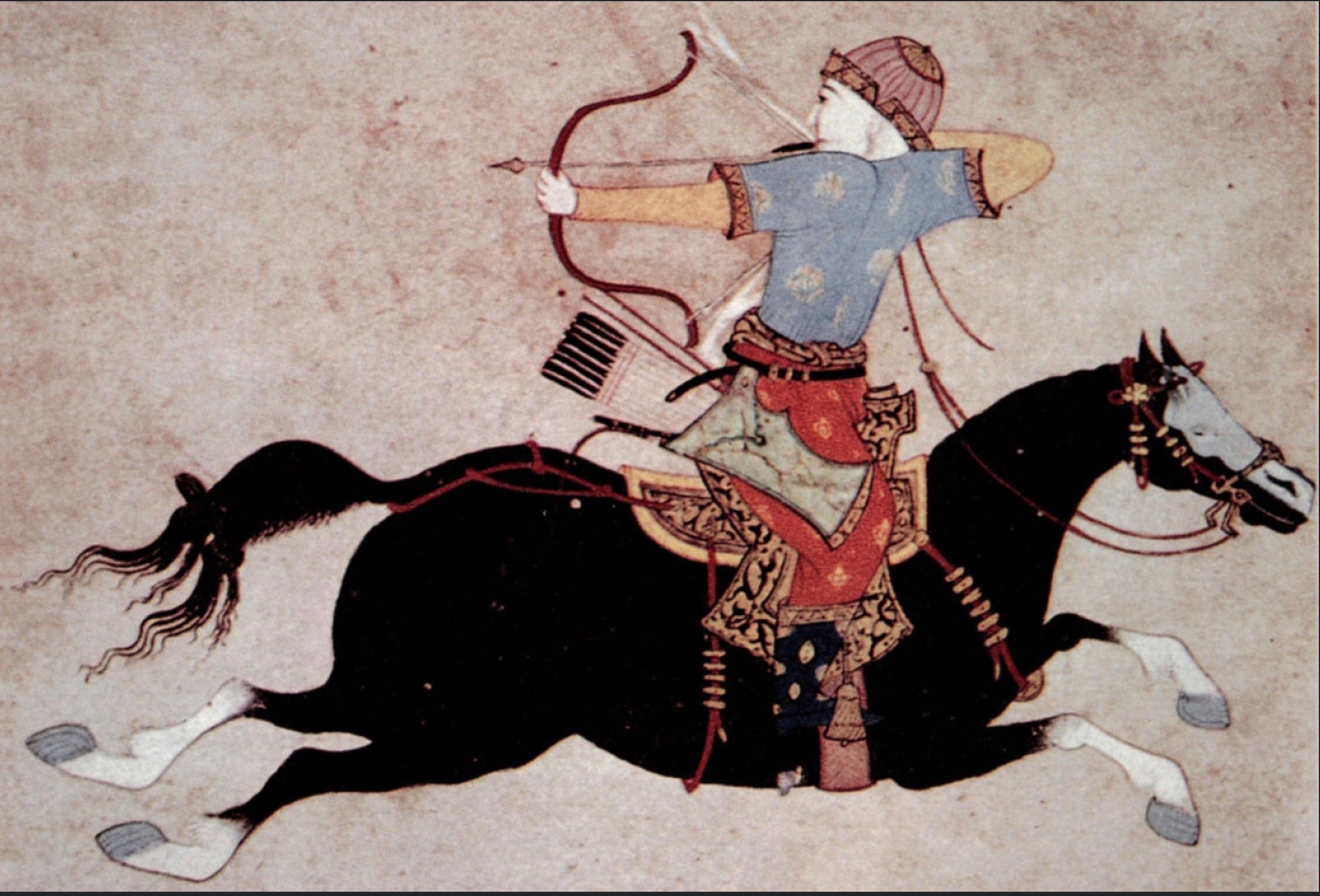
The climate and terrain of the Eurasian steppe — Mongolia and the “stans” of today — changed in ways that favored a fleetfooted mammal living alongside humans there. Nomadic herders found themselves literally sitting upon an increasingly potent energy source, the horse.
Their warriors figured out how to use this equine energy to supercharge a tool humans had been tinkering with for tens of thousands of years: the bow and arrow.
Deployment was as simple as it was effective.
Mounted nomadic fighters charged straight ahead, showering arrows upon their foes to keep them hunkered down . Then — and this was the masterstroke — at the last moment they turned and galloped away while pivoting backwards on their steeds to fire off another lethal barrage of arrows until they reached a safe enough distance to organize another charge. This acrobatic feat of rear-guard archery, allowing fighters to attack while retreating, was enabled by the stirrup.
Before long, they were sacking Europe and ruling China. The Mongols, led by Ghengis Khan, claimed largest land empire in human history.
A lot happened along the way, of course. Some good, some bad. They were saviors and barbarians, par for the course of human endeavor, I suppose.
The point is this: The Mongols, the Huns, the Khanates of Central Asia proved themselves superior at leveraging energy to optimize their technology over time.
That changed the world.
Today’s energy and technology landscape is vastly more complicated. But there’s an analogy: public utilities and transmission grids are our horses, our means of delivering energy. Computer chips and AI workloads are our bows and arrows. The challenge is putting them together so they perform optimally over the long haul.
Whatever nation and economy manages that challenge best — America’s or China’s, jointly or alongside other entrants from Europe to Asia to the Middle East — will change the world. And do it in the ways most beneficial to them.
Those are the stakes.
China has a strategy: massively expand electricity availability, and use, by deploying clean, renewable energy to meet new demand. Fossil fuels — particularly coal and imported gas and oil — shrink their contribution as hydroelectric, nuclear, fusion, and geothermal plants come on line.
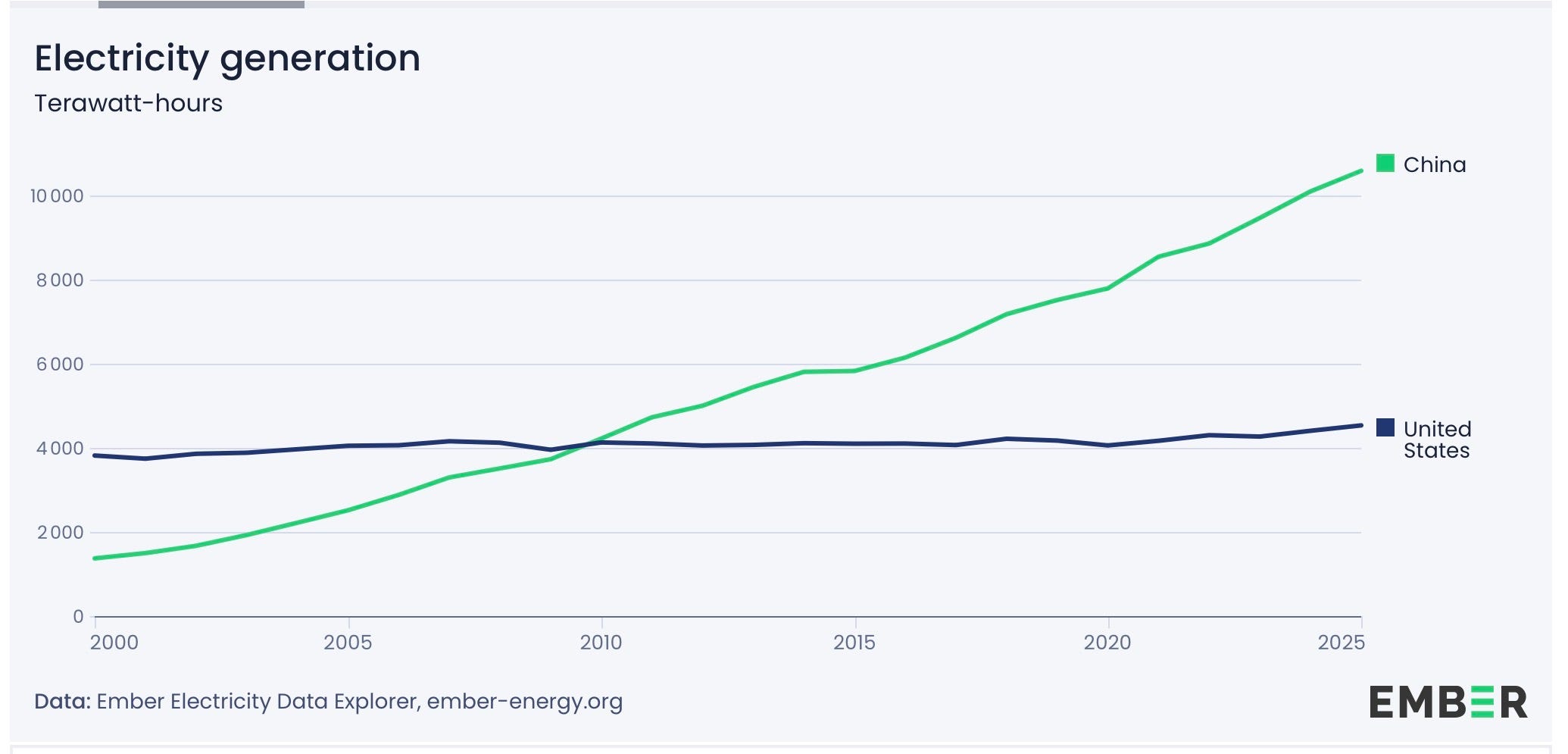
Challenges abound, but China’s scheme is already well under way. Its electricity system expanded more than the rest of the world’s combined last year as it added record solar and wind generation. More nuclear plants are planned than in all other countries combined. The world’s largest hydroelectric plant is under construction. Coal use dipped, slightly, for the first time last year.
The Trump administration has a different plan for America: Favor fossil fuels as much as possible, especially natural gas and coal; restart nuclear reactors, encourage the construction of new ones; kill wind projects, try to discourage solar power.
It’s far from clear American utilities and grid operators share this vision, or can deliver on that strategy. Indeed, as structured they may not be able to deliver on any strategy to expand at the pace the artificial intelligence industry is pushing.
It’s true utilities were built to build. They’ve done it before, to electrify the U.S. economy from the 1940s to the 1970s. But alongside profits for their owners, the buildout of electricity for factories and industry back then produced jobs and spurred economic growth in the towns and cities where these facilities located.
Their upside was widely felt, the burdens balanced by benefits to most everyone. That allowed the buildout cost to be spread widely and accepted broadly.
So far, AI benefits just owners and investors. Where powered by fossil fuels, data centers spew air pollution into the towns and cities where they are located. They generate some tax dollars, though these are often waived by local officials eager to help them get built. They deliver few new jobs, especially once construction ends, and what they make might do away with many jobs that already exist.
A growing number of communities don’t want them.
Meanwhile, the task of provisioning electricity — the line of work utilities and grid operators are in — increasingly involves more than simply building new coal and natural gas plants to fire up and meet whatever level of demand appears whenever it appears, regardless of the environmental cost.
Solar power can now supply clean electricity free for much of the day. This can be extended with batteries to soak up free stuff while the sun shines and offer it later after sun down. That’s just one way supplying energy has changed. Demand is changing, too. No longer fixed and inflexible, energy usage can be made malleable by pooling customers and channeling their needs away from high-cost hours, saving consumers money and reducing stress on the system.
The AI industry could become very helpful in this, it turns out.
But utilities, grids, and data centers aren’t built to do that, yet.
This is why they’re struggling to deliver.
Changing this is America’s challenge — and our next Adventure.
In a series of posts over the next few months, I’ll try to do a deep dive into the recently proposed merger of two very large utilities, NextEra Energy and Dominion Energy. They would form into the largest utility ever known, by almost every measure.
Their proposed union is a window on a U.S. power system at a crossroads. Change is coming one way or another.
Is the optimal path to double down on the standard utility model, only much larger? Or is a nimbler, more innovative, less risk-averse model better?
What stirrups do we need to get the job done?
The answers aren’t simple, and lead to questions we’ll examine on the journey:
— Where should energy come from? Dominion owns the rare offshore wind facility moving forward in the face of the Trump administration’s all-out war on wind. The world’s first commercial fusion power plant is going up in its territory. NextEra is the nation’s biggest builder of solar projects, but has also recently embraced natural gas. It’s even got a new tie-up with fossil-fuel titan ExxonMobil Corp. to power data centers using gas. Dominion still operates three coal-fired generation plants. It’s building a large new gas-fired facility.
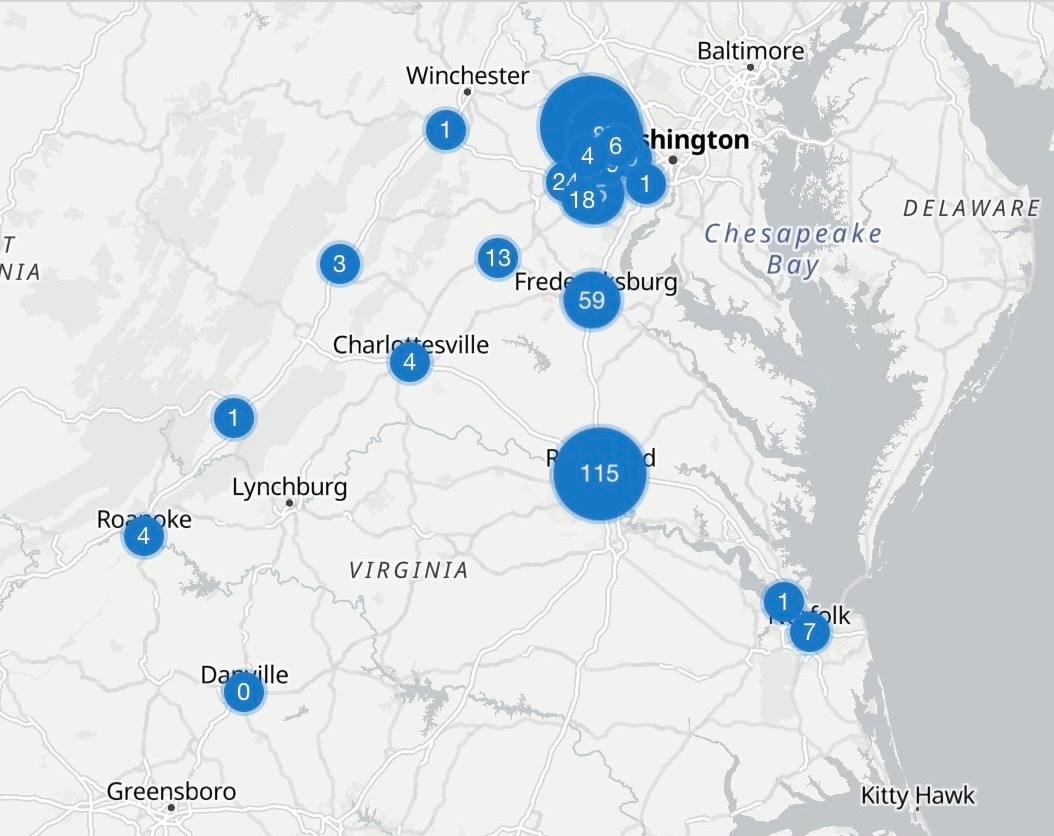
— Are some data centers to love, or at least live with? The world’s biggest conglomeration of these facilities sits in northern Virginia, “Data Center Alley.” These are the gems in the broach NextEra is buying in Dominion. Can these, and other data centers the combined NextEra-Dominion hopes to see built, produce community benefits and strengthen the power grid rather than strain it further?
— Who pays? This U.S. data center boom looks to be the largest infrastructure buildout in human history — bigger than railroads, bigger than air travel, larger even than telecommunications and the internet. Who pays for it is a burden-sharing puzzle for the ages. The NextEra-Dominion merger — bringing together two utilities that make money by charging ratepayers to build new energy supply — will have a huge bearing on how this gets solved, if it gets solved.
It’s off to Virginia.
Nice analogy! Interesting to note that one reason that the Mongols & Turks began to ride westward in conquest a millennium ago was that their Central Asian steppe pastures were drying out due to guess what ... climate change! Also they were helped not just by stirrups, but by their recurved bows that could shoot further than anyone in their unstoppable path.