
Paradigm Shift
The war in Iran portends big changes in the global energy system.

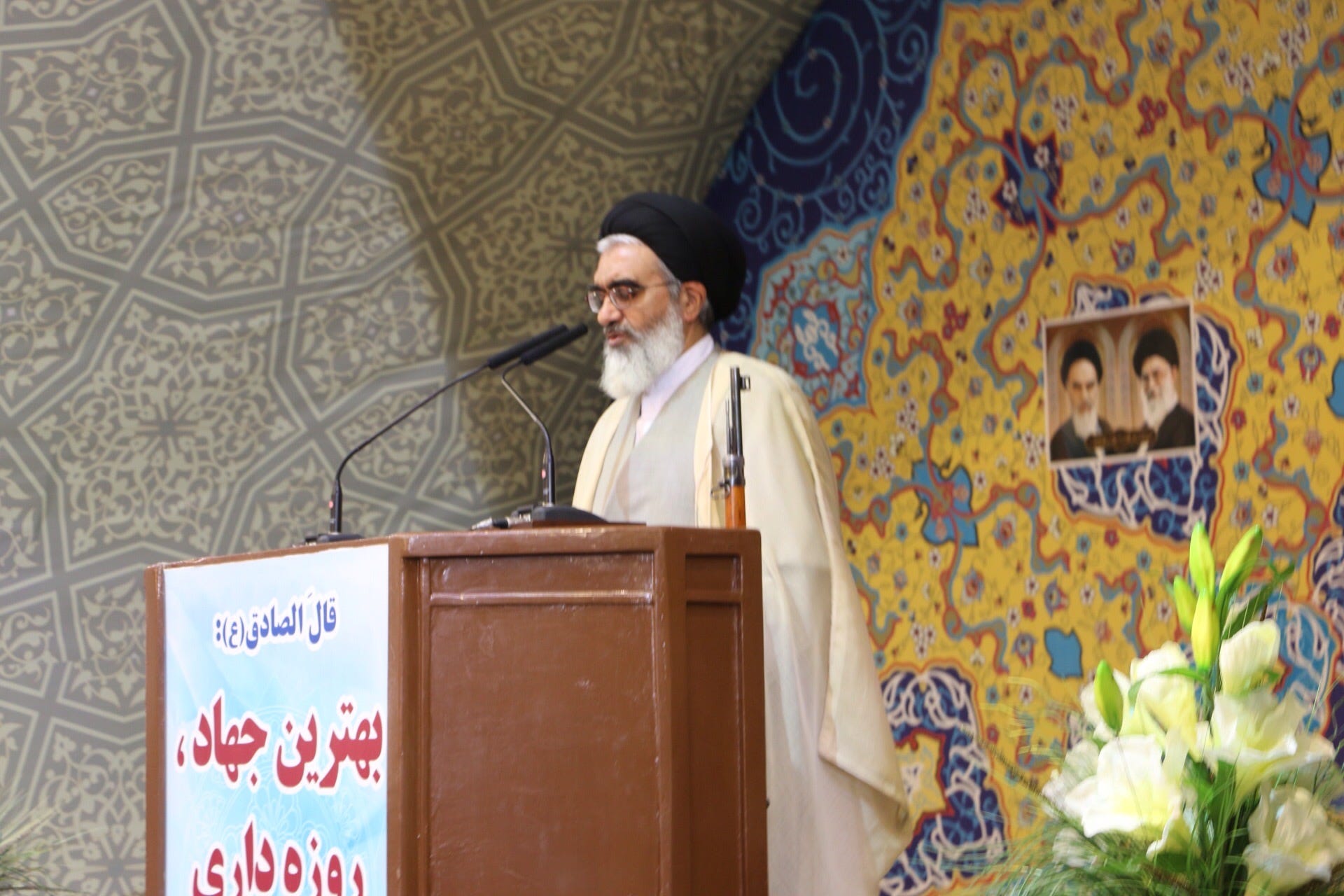
Less than a week old, the Trump administration’s assault on the Islamic Republic is already beginning to shape a new global energy order.
In capitals around the world, the events of the week are providing a stark new reminder of the tenuousness of globally traded oil and natural gas. This may cause an even bigger paradigm shift than the two big oil crises of the 1970s.
The difference between then and now: In neither 1973 or 1979 were there obvious alternatives to these globally traded fossil fuels — President Jimmy Carter’s White House solar panels notwithstanding. Energy efficiency also became a thing, but no meaningful alternatives to coal, oil and gas were available.
In time, innovations in the oil and gas industry itself alleviated most of the stress. First it was drilling in remote regions and deep-waters. Then, most spectacularly, the “fracking” revolution that returned the U.S. to the top ranks of global oil and gas producers.
It helped that the biggest military conflicts after the tanker wars of the 1980s — the 1990 Gulf war and the invasion and occupation of Iraq starting in 2003 — never significantly interrupted the flow of oil and gas from the Persian Gulf. Even Russia’s invasion of Ukraine, which very much impacted global oil and gas markets, didn’t cause a distinct, perceptible shift in national energy strategies around the world.
What’s happening this week feels different. This war in Iran is in its very early stages, so of course many outcomes are possible and none are predictable. The regime could collapse chaos, or transform into an even more intransigent military dictatorship, or the country could suffer a series of such dictatorships. After making almost a dozen reporting trips to Iran between 2005 and 2015, I can say from first-hand experience that the best possible outcome would be a new, democratic-leaning Iranian government eager to work with the U.S. and strong enough to actually be able to do so without fatally undermining itself right out of the gate.
Regrettably, this is the outcome hardest to imagine coming to pass, at least anytime soon.
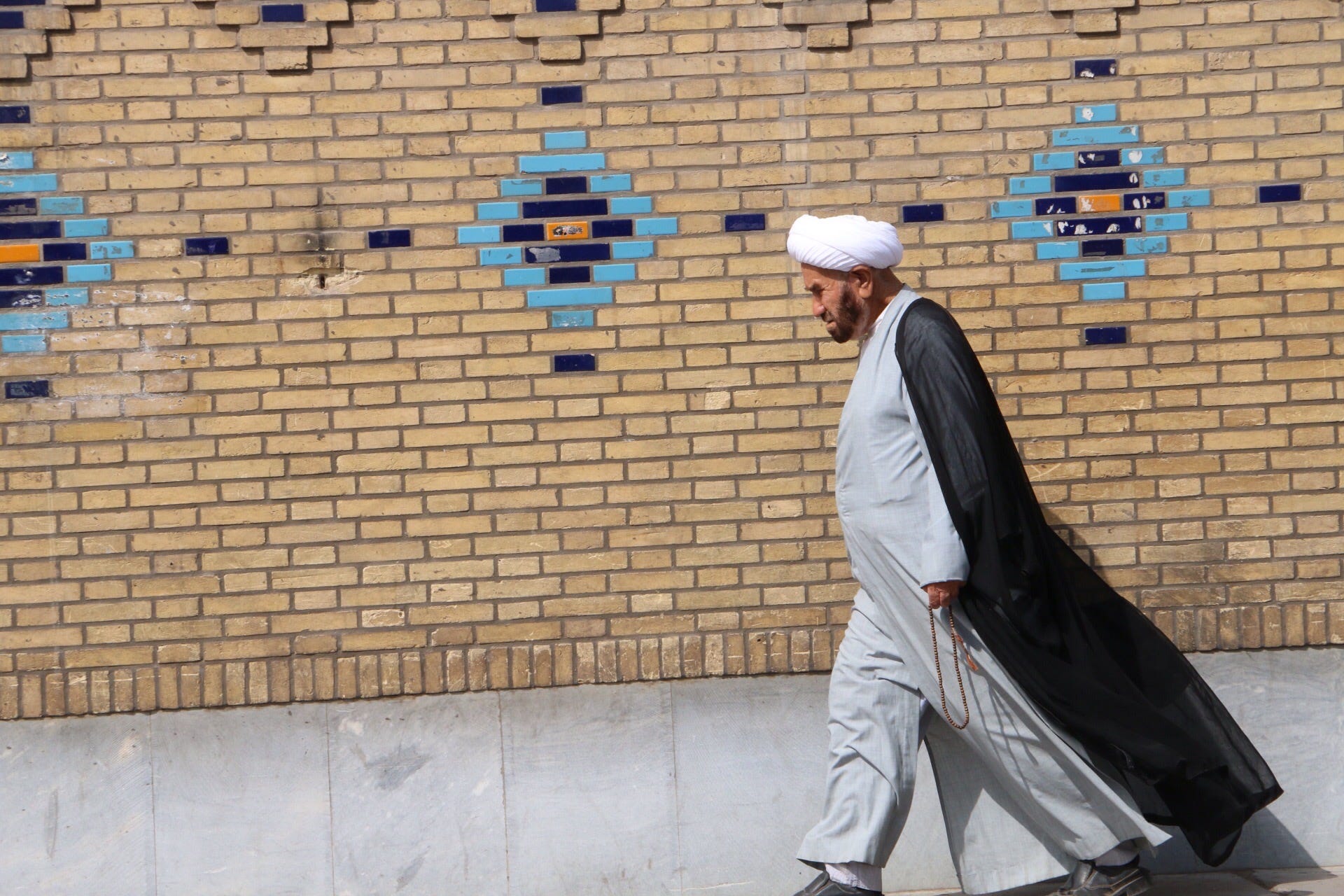
All these scenarios would result in a weaker Iran. And it doesn’t take much strength — or rogue control over much territory within Iran — to regularly harass and hamstring shipping through the Strait of Hormuz, the narrow maritime throughway off Iran’s coast through which 20% of the world’s oil and Liquified Natural Gas passes. Just look at the havoc a rag-tag government like the Houthi’s in Yemen have been able to wreak in the Red Sea over the past two years.
But the Strait of Hormuz is really nothing like the Red Sea passageway in terms of importance. Not only does vastly more oil and gas transit through Hormuz, there are virtually no alternative routes as there are with the Red Sea, expensive though they may be. That’s why Qatar, the world’s second biggest LNG producer, had to declare Force Majeure, leaving its customers out of luck rather than simply paying more to get their shipments.
The result has been a spike in global oil and gas prices, one that is accelerating as it becomes clear the dust in the Gulf won’t be settling anytime soon.
If there’s anything that will keep energy-hungry nations around the world looking for alternatives, it’s this sort of thing. Increasingly, there are real alternatives. Solar arrays wedded to batteries are already among the least expensive choices, especially compared to LNG, for generating electricity. They don’t solve every problem, of course, but neither does importing LNG, as is becoming acutely obvious.
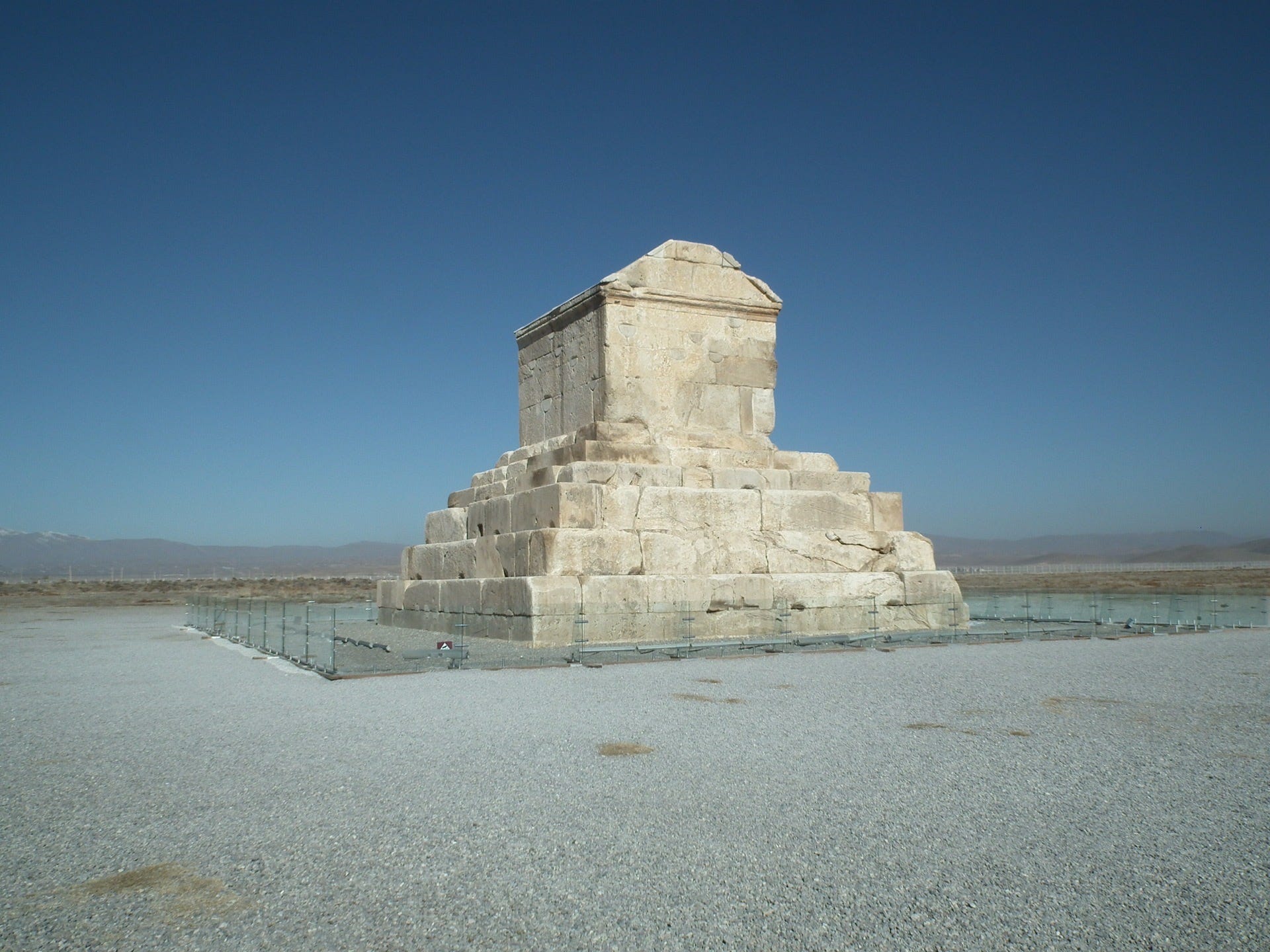
China is already well on course to reduce LNG imports. It’s reduced them over the past year, and cut out U.S. suppliers altogether. India, once seen as a prime new customer for LNG as electricity demand ramps up, is highly unlikely to bet its electricity future on LNG after installing a record amount of solar last year, almost all of it alongside batteries. Ethiopia, to pick a populous up-and-coming economy in Africa, is more unlikely than ever to go back to importing gas-fueled vehicles after it banned anything but electric imports two years ago.
The ship of the global energy system is very large and turns only slowly. But events in the Persian Gulf are now providing what may prove to be a decisive nudge.
This rise in oil prices has to be good news for Trump’s pal Putin who is helping Iran target us. It will be fantastic if the result of Trump’s idiotic ego trip is to increase reliance on the wind power he hates so much.
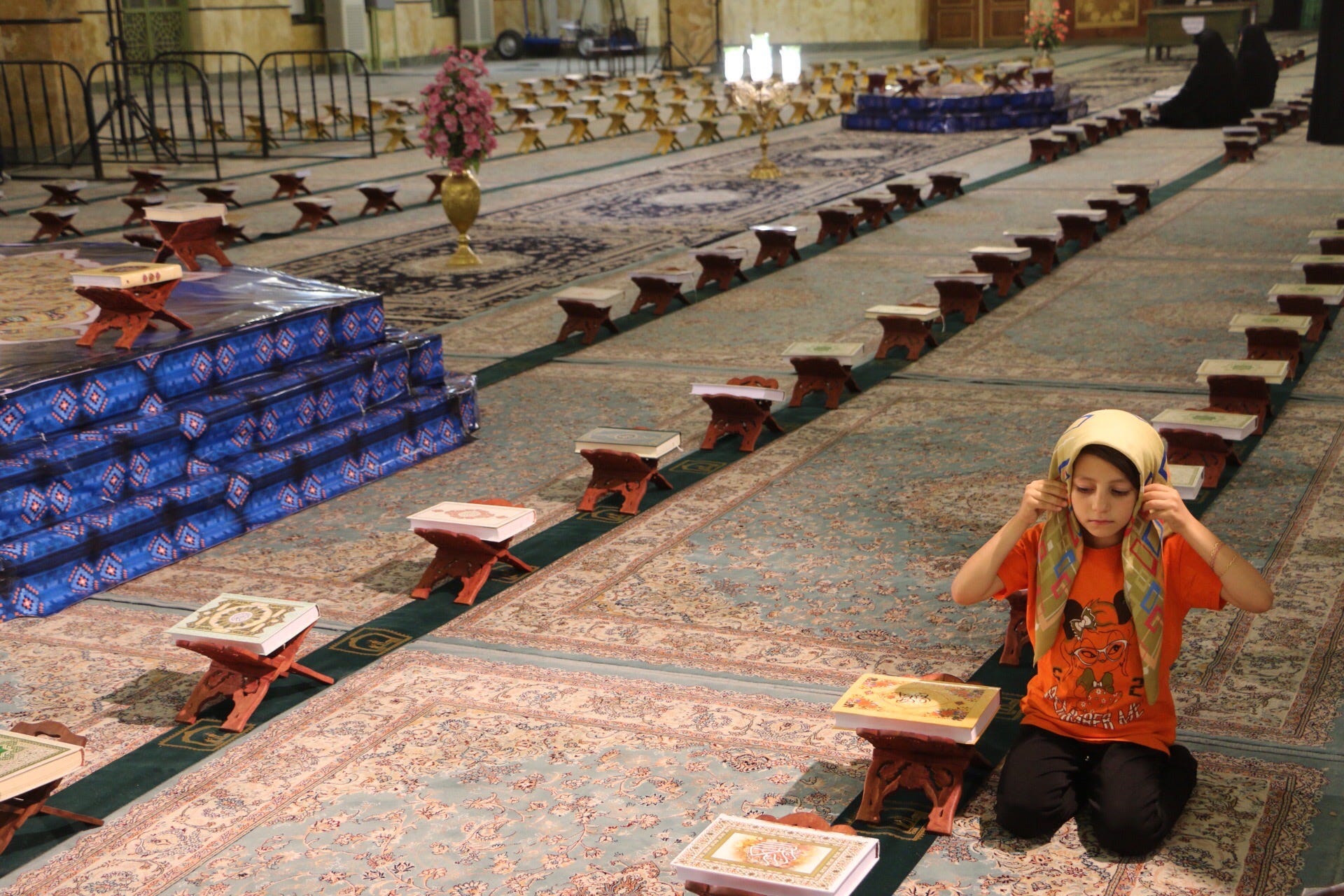
Lovely photos of people and places in Iran - from your own camera! I'd love to read more about the Iranian people from your first-hand experience. And more pictures please. It would be helpful to know the humans being bombed in our name - but not with our support...